
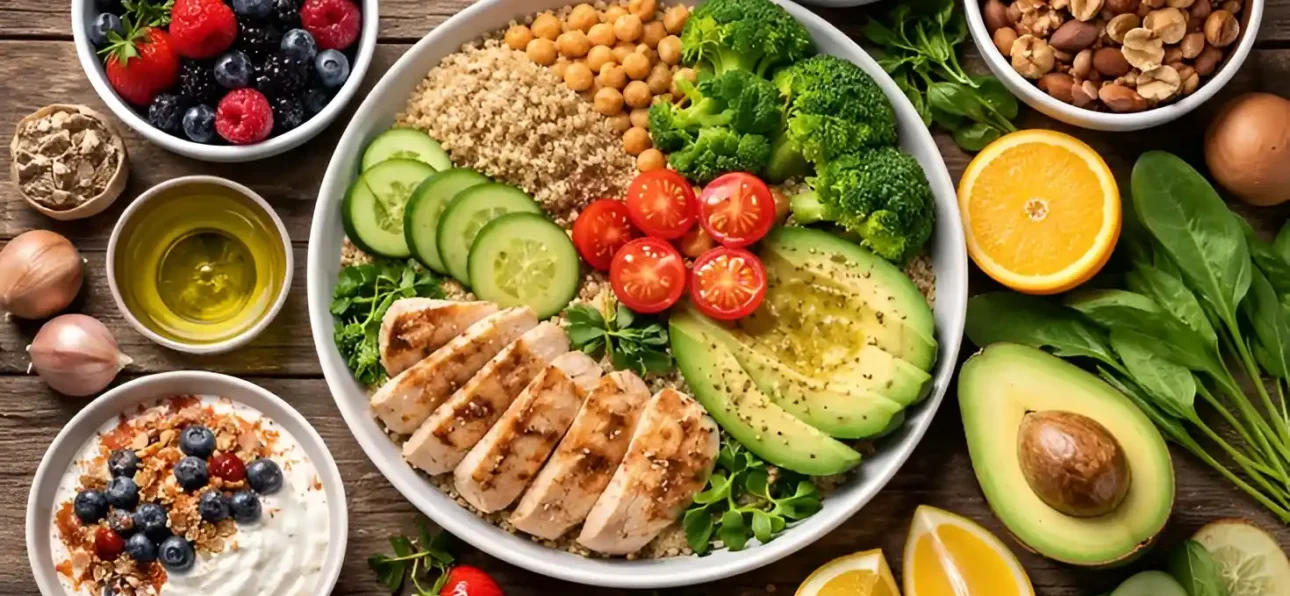
What to Eat and Avoid When You Have Diabetes
Managing diabetes involves more than checking blood sugar levels or taking prescribed medicines. Everyday food choices also play an important role in supporting healthy blood glucose levels, maintaining energy and reducing the risk of long-term complications.
For people living with diabetes, deciding what to eat can sometimes feel confusing. Should rice be avoided completely? Are fruits safe? Is brown sugar better than white sugar? Can traditional Indian meals fit into a diabetes-friendly diet?
The good news is that having diabetes does not mean giving up every food you enjoy. A balanced eating plan, sensible portions and regular meal patterns can help you make informed choices without following unnecessarily restrictive diets.
At Pure Forest Ayurveda, we believe that nutrition advice should take account of individual health needs, daily routines and medical conditions. This guide explains which foods to include more often, which foods to limit and how to plan balanced Indian meals when living with diabetes.
Why Is Diet Important for Diabetes?
Food affects blood glucose levels in different ways. Carbohydrates, including sugars and starches, are broken down into glucose and generally have the most direct effect on blood sugar after meals.
Carbohydrates are found in foods such as rice, roti, bread, potatoes, fruit, milk, pulses and sweets. However, these foods differ in their fibre content, nutritional value and effects on blood glucose.
Protein, fibre and fat can also influence how quickly a meal is digested and how glucose levels change after eating.
A well-planned diabetes diet aims to provide adequate nutrition while helping you manage blood glucose, blood pressure, cholesterol and body weight where appropriate.
There is no single ideal meal plan for everyone with diabetes. Your age, activity level, medicines, cultural food preferences and other health conditions should all be considered.
Foods to Eat When You Have Diabetes
1. Non-Starchy Vegetables
Vegetables are an important part of a balanced diet because many provide fibre, vitamins, minerals and relatively few calories.
Examples include:
- Spinach and other leafy greens.
- Cauliflower and cabbage.
- Cucumber and tomatoes.
- Capsicum and green beans.
- Bottle gourd, ridge gourd and bitter gourd.
- Brinjal and okra.
Include a variety of vegetables throughout the day. Steaming, roasting or lightly cooking them can help keep meals nutritious without adding excessive oil.
Vegetables such as potatoes and sweet potatoes contain more starch than most non-starchy vegetables, so their portions should be considered as part of the overall carbohydrate intake.
2. Whole Grains and High-Fibre Carbohydrates
Whole grains can provide fibre and other nutrients. Depending on your preferences and nutritional needs, options may include:
- Whole-wheat roti.
- Oats.
- Barley.
- Millets such as jowar and bajra.
- Brown rice.
- Other minimally processed whole grains.
Whole grains can fit into a diabetes-friendly eating pattern, but they still contain carbohydrates and can raise blood glucose.
Portion size matters. Replacing refined grains with whole grains may improve the nutritional quality of your meals, but it does not mean you can eat unlimited quantities.
For example, a meal with a moderate portion of roti or rice, plenty of vegetables and a suitable protein source is often more balanced than a meal dominated by large portions of starch.
3. Pulses, Beans and Lentils
Pulses are familiar staples in Indian households and can provide plant-based protein, fibre and other nutrients.
Suitable options may include:
- Moong dal.
- Masoor dal.
- Chana.
- Rajma.
- Chickpeas.
- Other beans and lentils.
These foods can be part of a healthy diabetes diet. However, pulses also contain carbohydrates, so their contribution should be considered when planning meals.
Prefer preparations with moderate amounts of oil and salt. A bowl of dal accompanied by vegetables and an appropriate portion of roti or rice can be a practical everyday meal.
4. Protein-Rich Foods
Protein helps support muscle maintenance and overall nutrition. Including a suitable protein source in meals may also make them more satisfying.
Depending on your dietary preferences, options include:
- Eggs.
- Fish and lean poultry.
- Tofu and other soy foods.
- Unsweetened curd.
- Milk without added sugar.
- Pulses and beans.
The appropriate amount of protein varies from person to person. People who also have chronic kidney disease may need individualised protein advice from their doctor or dietitian.
5. Whole Fruits in Appropriate Portions
People with diabetes do not generally need to eliminate whole fruit from their diet.
Fruit provides vitamins, minerals and fibre. Options may include apples, guavas, oranges, pears, berries and other seasonal fruits.
Choose whole fruit more often than juice because whole fruit retains its fibre and generally takes longer to consume.
Fruit still contains carbohydrates, so portion size and individual glucose responses matter. A large amount of fruit eaten at once can affect blood glucose differently from a smaller portion included in a balanced meal.
Avoid assuming that all fruit is unsuitable simply because it tastes sweet.
6. Nuts and Seeds
Nuts and seeds can provide unsaturated fats, protein, fibre and minerals.
Examples include almonds, walnuts, peanuts, chia seeds and flaxseeds.
Choose unsalted varieties where possible and pay attention to portions because nuts and seeds are energy-dense.
People with kidney disease or specific food allergies may need additional guidance regarding which varieties and quantities are appropriate.
7. Water and Unsweetened Drinks
Water is generally a good everyday drink.
Other options may include unsweetened tea or coffee, depending on personal tolerance and medical advice.
Try to limit sugar-sweetened soft drinks, sweetened tea and coffee, energy drinks and packaged beverages with added sugar.
Fruit juice can raise blood glucose relatively quickly, even when it contains no added sugar. Whole fruit is generally a better everyday choice.
Foods to Limit When You Have Diabetes
Having diabetes does not automatically make a food forbidden. The goal is to build a sustainable eating pattern and limit foods that contribute excessive added sugar, refined carbohydrates, salt or unhealthy fats.
1. Sugar-Sweetened Drinks
Soft drinks, sweetened juices, energy drinks and heavily sweetened tea or coffee can provide substantial amounts of sugar without making you feel as full as solid food.
Choose water or unsweetened alternatives more often.
2. Sweets and Desserts
Indian sweets such as jalebi, gulab jamun, laddoo and barfi can contain considerable amounts of sugar and may also be high in fat.
You do not necessarily need to avoid every dessert forever. However, smaller portions and less frequent consumption can make it easier to manage overall carbohydrate and calorie intake.
If you use insulin or certain glucose-lowering medicines, follow your healthcare team’s advice about meal timing and carbohydrate intake.
3. Refined Grains and Highly Processed Snacks
White bread, biscuits, pastries, many packaged snacks and other refined-grain foods may provide less fibre than whole-grain alternatives.
Frequent consumption of these foods in large portions can make a balanced eating plan more difficult to maintain.
Choose minimally processed foods and higher-fibre alternatives more often where practical.
4. Deep-Fried Foods
Foods such as pakoras, samosas, puris and chips can contain substantial amounts of fat and calories, depending on how they are prepared.
You do not need to eliminate every traditional food, but consider smaller portions, less frequent consumption and preparation methods that use less oil.
5. Foods High in Salt and Unhealthy Fats
Frequent consumption of highly salted packaged foods and foods rich in saturated or trans fats can work against broader cardiovascular health goals.
Compare food labels when buying packaged products, cook at home when practical and use moderate amounts of cooking oil.
People with diabetes often need to pay attention to blood pressure and cholesterol as well as glucose levels.
Can People With Diabetes Eat Rice and Roti?
Yes. Rice and roti can fit into many diabetes meal plans, but the quantity and overall composition of the meal matter.
Both rice and wheat-based roti contain carbohydrates. Whole-grain choices may provide more fibre, but they still contribute to blood glucose levels.
Consider these practical tips:
- Use a portion size suited to your individual meal plan.
- Include vegetables and an appropriate protein source.
- Avoid combining several large portions of carbohydrate-rich foods in the same meal.
- Monitor your blood glucose if your clinician has recommended it.
- Ask a registered dietitian to help determine suitable portions.
For example, a meal containing a moderate serving of rice, dal and vegetables may be more balanced than a large serving of rice eaten with very little else.
There is no universal quantity of rice or roti that is right for everyone with diabetes.
Is Brown Sugar or Honey Better Than White Sugar?
Brown sugar, honey, jaggery and other concentrated sweeteners can still raise blood glucose.
Although some sweeteners differ in flavour and may contain small amounts of additional compounds, they should not be treated as harmless alternatives to sugar.
Replacing white sugar with jaggery or honey does not automatically make a meal suitable for diabetes.
The amount consumed, the total carbohydrate content of the meal and the person’s treatment plan all matter. If you use sweeteners, discuss suitable choices and portions with your healthcare professional.
A Sample Indian Meal Pattern for Diabetes
The following is an illustrative example, not a personalised prescription or a fixed diet chart. Appropriate portions depend on individual calorie needs, medicines, glucose targets and other health conditions.
Breakfast: Vegetable oats or a vegetable-based dish with a suitable protein source, such as eggs or unsweetened curd.
Mid-morning: A portion of whole fruit, if appropriate for your meal plan.
Lunch: A moderate portion of whole-wheat roti or rice, dal or another protein source, cooked vegetables and salad.
Evening snack: A small portion of unsalted nuts or another suitable snack.
Dinner: Vegetables, a protein source such as tofu, pulses, fish or chicken, and an appropriate portion of roti or another carbohydrate-rich food.
Drinks: Water and unsweetened beverages throughout the day, according to your needs.
You do not have to follow this exact menu. The purpose is to illustrate how different food groups can be combined into balanced meals.
People who take insulin or medicines that can cause low blood glucose should not skip meals or make major dietary changes without appropriate guidance.
The Diabetes Plate Method
One simple way to plan meals is to use the plate method.
For a typical nine-inch plate:
- Fill half the plate with non-starchy vegetables.
- Fill one-quarter with a suitable protein source.
- Fill the remaining quarter with carbohydrate-rich foods such as whole grains or other foods included in your meal plan.
Drink water or another suitable unsweetened beverage alongside the meal.
This method provides a visual starting point for portion planning. It may need to be adjusted for individual nutritional needs, kidney disease, pregnancy, physical activity or specific diabetes treatments.
How Ayurveda Fits Into Diabetes Nutrition
Ayurveda traditionally considers food choices, daily routines and individual health needs as part of a broader approach to wellness.
Some people seek Ayurvedic guidance when planning their diet or exploring complementary approaches to diabetes management.
However, no particular food, herb, spice or Ayurvedic product should be assumed to cure diabetes or reliably replace prescribed medication. Evidence for specific herbal products varies, and some may interact with diabetes medicines or increase the risk of low blood glucose.
If you are considering herbal supplements or a major change in diet, discuss it with your treating doctor and a qualified Ayurvedic practitioner. Continue your prescribed treatment and recommended blood glucose monitoring.
At Pure Forest Ayurveda, personalised nutritional guidance should take account of the person’s diagnosis, current medicines, lifestyle and other medical conditions.
Frequently Asked Questions
1. What is the best food for people with diabetes?
There is no single best food. A balanced eating pattern that includes non-starchy vegetables, suitable protein sources, high-fibre carbohydrates and appropriate portions can support diabetes management.
2. Which fruits can people with diabetes eat?
Many whole fruits can fit into a diabetes meal plan, including apples, guavas, oranges and pears. The appropriate portion depends on individual needs. Whole fruit is generally preferable to juice.
3. Should people with diabetes stop eating rice?
Not necessarily. Rice can be included in suitable portions as part of a balanced meal. The amount should be tailored to individual glucose targets, activity levels and dietary requirements.
4. Is jaggery safe for diabetes?
Jaggery contains sugars and can raise blood glucose. It should not be considered a diabetes-safe replacement for white sugar.
5. Can people with diabetes eat potatoes?
Potatoes contain starch and can raise blood glucose, but they do not have to be universally prohibited. Portion size, preparation and the rest of the meal matter.
6. Can Ayurvedic herbs replace a diabetes diet or prescribed medicines?
No. Herbal products should not replace balanced nutrition, prescribed medicines or medical monitoring. Discuss supplements with your healthcare team before using them.
Conclusion
A diabetes-friendly diet does not have to be complicated or based on strict food prohibitions. Understanding carbohydrates, choosing nutritious foods, moderating portions and planning balanced meals can help people make practical decisions every day.
Rice, roti, pulses and whole fruit can often be included when their portions are suited to individual needs. At the same time, limiting sugary drinks, excessive sweets and highly processed foods can support broader health goals.
Pure Forest Ayurveda encourages informed, individualised wellness decisions rooted in responsible care. If you are living with diabetes, work with qualified healthcare professionals to create an eating plan that suits your medical needs and complements your prescribed treatment.
Medical disclaimer: This article is for educational purposes only. It does not replace medical advice, diagnosis or individualised dietary care. Consult a qualified healthcare professional or registered dietitian before making substantial dietary changes, particularly if you use glucose-lowering medicines or have kidney disease.