
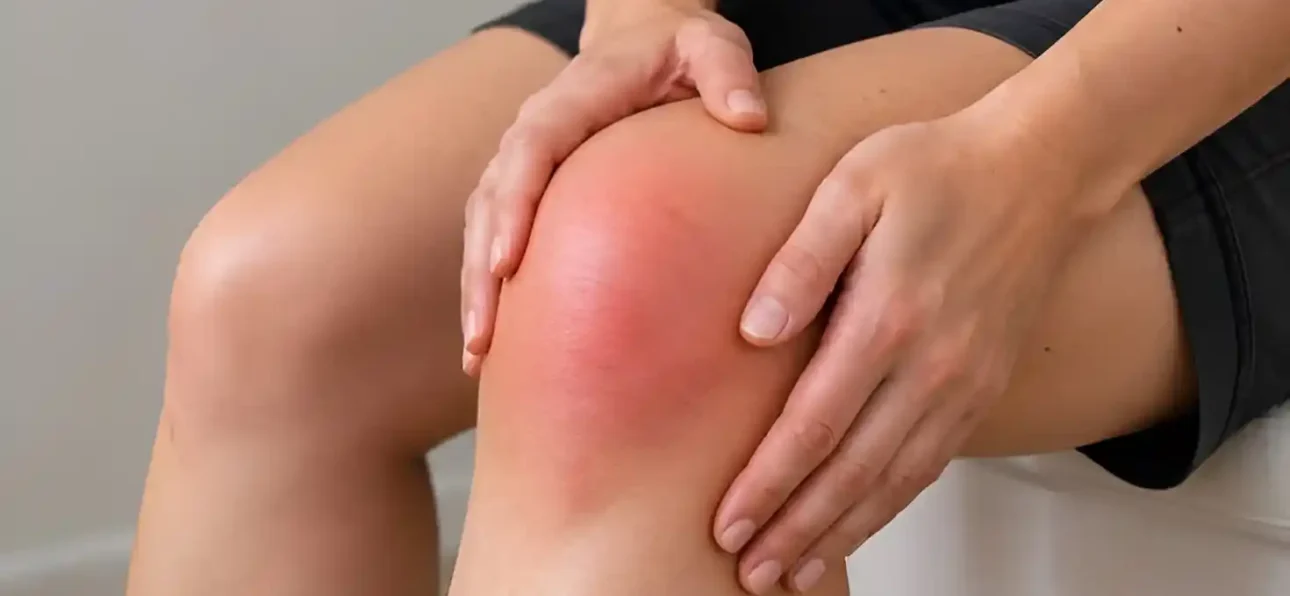
Knee Pain When Walking or Climbing Stairs: Possible Causes
Walking, standing up from a chair and climbing stairs are activities that many people perform without thinking. When knee pain begins to interfere with these movements, even simple daily tasks can become uncomfortable.
Knee pain while walking can develop gradually or appear suddenly after an injury. Some people experience discomfort mainly when climbing stairs, while others notice stiffness after sitting, swelling around the knee or pain when standing for long periods.
The knee is a complex joint that relies on bones, cartilage, ligaments, tendons and muscles working together. Pain may arise from any of these structures, and the correct treatment depends on identifying the underlying cause.
At Pure Forest Ayurveda, we encourage people to understand their symptoms and seek appropriate medical guidance instead of assuming that every episode of knee pain has the same cause. This article explains common reasons for knee pain during movement, practical management options and warning signs that require medical attention.
Why Does Knee Pain Occur When Walking?
The knee connects the thigh bone to the shin bone and includes the kneecap, which helps the joint function during bending and straightening. Cartilage helps the joint surfaces move smoothly, while ligaments provide stability and muscles control movement.
Walking and stair climbing place different demands on these structures. Climbing stairs, for example, requires the muscles around the knee to work against gravity, while descending stairs requires controlled lowering of body weight.
If the joint is inflamed, injured or affected by a structural problem, these movements may become painful.
The location of the discomfort can provide useful clues, but it cannot establish a diagnosis by itself. Pain at the front, back or sides of the knee may have several possible explanations.
7 Common Causes of Knee Pain While Walking
1. Knee Osteoarthritis
Osteoarthritis is a common cause of persistent knee pain, particularly in middle-aged and older adults, although it can occur earlier.
It involves changes in cartilage and other joint tissues. Symptoms may include pain during walking, stiffness after sitting, swelling and difficulty bending the knee.
Some people find that pain is worse after prolonged activity, while others experience discomfort during ordinary movements such as climbing stairs or getting up from a chair.
Management may include strengthening exercises, physiotherapy, weight management when appropriate and medicines recommended by a healthcare professional. The treatment plan depends on symptoms, function and overall health.
2. Patellofemoral Pain
Patellofemoral pain occurs around or behind the kneecap. It may be associated with activities that repeatedly bend the knee under load, such as stair climbing, squatting, running or jumping.
The pain is often felt at the front of the knee. Some people also notice discomfort after sitting with their knees bent for a long time.
Changes in activity levels, muscle strength, movement patterns and other factors may contribute to symptoms.
A physiotherapist can assess movement and recommend appropriate exercises. Continuing to perform activities that cause substantial pain without modifying the load may aggravate symptoms.
3. Meniscus Injuries
The menisci are pieces of cartilage that help distribute load and provide stability within the knee. A meniscus can tear during a twisting injury, particularly during sports or sudden changes of direction. Tears can also occur gradually as tissues change with age.
Symptoms may include pain, swelling, difficulty bending the knee or a sensation that the knee catches or locks.
Not every meniscus tear requires surgery. Treatment depends on the nature of the injury, the symptoms and the person’s activity needs.
A knee that is genuinely locked and cannot fully straighten requires prompt medical assessment.
4. Ligament Injuries
Ligaments help stabilise the knee. Injuries to structures such as the anterior cruciate ligament or medial collateral ligament may occur during sports, falls or sudden twisting movements.
Symptoms can include pain, swelling, instability and difficulty bearing weight. Some people describe a popping sensation at the time of injury.
Significant swelling after an injury, an unstable knee or an inability to walk normally should be evaluated promptly. Severe injuries may require imaging and specialist assessment.
5. Tendon Problems
Tendons connect muscles to bones. Irritation of the patellar tendon, located below the kneecap, can cause pain during jumping, running, squatting or other activities that load the tendon.
Tendon-related pain often develops in relation to physical activity and may become worse when the same movement is repeated frequently.
Management may involve modifying activity and following a gradual strengthening programme under suitable guidance. Sudden increases in exercise intensity can contribute to overuse problems.
6. Bursitis
Bursae are small fluid-filled sacs that reduce friction around joints. Irritation of a bursa near the knee can cause localised pain, tenderness and swelling.
Some forms of knee bursitis are associated with repeated kneeling or direct pressure. Other forms can result from injury or infection.
A swollen area around the knee should not automatically be assumed to be harmless bursitis. Marked redness, warmth, rapidly increasing swelling or fever requires prompt assessment to rule out infection.
7. Other Inflammatory Conditions or Infection
Knee pain can also result from gout, rheumatoid arthritis, other inflammatory conditions or infection within the joint.
A sudden attack of severe pain with swelling and warmth may occur with crystal arthritis, such as gout. A bacterial joint infection can produce similar symptoms and may damage the joint quickly.
A hot, red, swollen knee with sudden severe pain needs urgent medical assessment, particularly if accompanied by fever or feeling unwell. Do not try to treat these symptoms solely with massage, oils or home remedies.
Why Does Knee Pain Become Worse When Climbing Stairs?
Stair climbing and descending place different demands on the knee than walking on level ground. The muscles around the knee must produce and control force while the joint bends.
Several conditions can cause discomfort during this activity, including osteoarthritis, patellofemoral pain, tendon problems and certain injuries.
The pattern of symptoms can help guide an assessment. For example, pain around the kneecap may occur with patellofemoral problems, while persistent stiffness and pain during several weight-bearing activities may occur with osteoarthritis.
However, no single symptom reliably identifies the cause. A medical professional may need to assess the knee’s movement, stability, tenderness and swelling.
If stair climbing becomes difficult, consider using a handrail and limiting activities that cause significant pain until you receive appropriate advice. Do not force the knee through severe or worsening discomfort.
Other Symptoms to Watch For
Knee pain may occur with symptoms that provide important clues about its cause.
- Swelling: May follow an injury or occur with inflammation.
- Stiffness: Can make it difficult to bend or straighten the knee.
- Instability: The knee may feel as though it is giving way.
- Locking or catching: May indicate a mechanical problem requiring assessment.
- Redness or warmth: Can occur with inflammation but may also signal infection.
- Reduced movement: May make walking, squatting or standing difficult.
Pay attention to when symptoms started, whether an injury occurred and which movements aggravate the pain. This information can help your healthcare professional determine the next steps.
How Is Knee Pain Diagnosed?
Diagnosis generally begins with a discussion of the symptoms, medical history, activity levels and any recent injury.
A physical examination may assess:
- The location of tenderness.
- Swelling and warmth.
- The ability to bend and straighten the knee.
- Joint stability.
- Walking and movement patterns.
- The ability to bear weight.
Imaging is not necessary for every case. X-rays may be used when a fracture or osteoarthritis is suspected, while MRI may be considered for selected soft-tissue injuries or persistent symptoms when the result could affect treatment.
Blood tests or joint-fluid analysis may be needed if an inflammatory condition or infection is suspected.
The appropriate investigations depend on the clinical findings. Persistent knee pain should not be diagnosed solely from an online symptom checklist.
What Can Help Manage Knee Pain?
Treatment depends on the underlying cause. The following measures may be useful in selected situations, but they are not suitable for every knee problem.
Modify Activities Temporarily
Reduce or modify activities that clearly aggravate symptoms, such as repeated deep squats, running or frequent stair climbing.
For a recent uncomplicated injury, a short period of relative rest may help. However, prolonged inactivity can lead to stiffness and muscle weakness. Return to normal activities should be gradual and appropriate to the injury.
Use Cold Packs for Certain Injuries
A cold pack wrapped in a towel may help reduce discomfort and swelling after some acute injuries.
Apply it for a short period and avoid placing ice directly on the skin. People with reduced sensation or circulation problems should seek advice before using cold therapy.
Heat may feel more comfortable for some forms of stiffness, but it is not appropriate for every swollen or inflamed knee.
Consider Physiotherapy
Physiotherapy can help improve strength, flexibility, balance and movement control. The programme should be adapted to the diagnosis and the person’s current abilities.
Exercises may target the muscles around the knee and hip, but the right movements depend on the cause of pain. A physiotherapist can help determine suitable exercises and progression.
Discuss Medicines With a Healthcare Professional
Depending on the cause, a clinician may recommend topical or oral pain-relieving medicines or other treatment.
Some anti-inflammatory medicines can cause stomach bleeding, kidney problems or cardiovascular complications. People with kidney disease, liver disease, stomach ulcers, heart conditions or other medication-related risks should seek individual advice before using them.
Do not combine pain medicines or use them regularly for persistent symptoms without discussing their safety with a clinician or pharmacist.
Address Weight-Related Joint Stress When Appropriate
For people with excess body weight and knee osteoarthritis, gradual weight loss may reduce mechanical stress and improve symptoms.
A balanced approach combining suitable activity and nutritious meals is generally more sustainable than extreme dieting. Weight is only one factor in knee health, and pain should not be dismissed because of a person’s body size.
Consider Specialist Treatment When Needed
Some injuries or advanced joint conditions may require injections, surgical procedures or specialist rehabilitation. These treatments are selected according to the diagnosis, severity and impact on daily life.
Persistent pain that limits walking or sleep deserves reassessment if the current treatment is not helping.
Can Ayurveda Help With Knee Pain?
Some people explore Ayurveda, traditional massage, oils or herbal preparations for joint discomfort. However, evidence varies by intervention, and no single Ayurvedic remedy has been established as a cure for every cause of knee pain.
Herbal products may have side effects, interact with prescription medicines or contain contaminants. Applying products or massaging a severely swollen knee may also delay assessment of an injury or infection.
If you are considering Ayurvedic products, discuss them with a qualified healthcare professional, particularly if you have kidney or liver disease or take regular medicines.
Ayurveda or other complementary approaches should not replace medical evaluation when symptoms are severe, persistent or associated with warning signs.
When Should You See a Doctor for Knee Pain?
Seek urgent medical care if you experience:
- Sudden severe knee pain.
- A hot, red or swollen knee, especially with fever.
- A serious injury, visible deformity or inability to bear weight.
- A knee that locks and cannot straighten.
- Significant swelling or instability after an injury.
Arrange a medical appointment if pain persists, repeatedly returns, affects sleep or makes everyday activities difficult. Early evaluation can help identify the cause and guide suitable treatment.
Conclusion
Knee pain while walking or climbing stairs can result from osteoarthritis, patellofemoral pain, tendon problems, meniscus injuries, ligament injuries and several other conditions. Because these problems can produce similar symptoms, identifying the underlying cause is essential.
Appropriate activity modification, physiotherapy, medical treatment and gradual strengthening may help many people improve mobility. However, sudden severe pain, a hot swollen knee or a significant injury requires prompt assessment.
At Pure Forest Ayurveda, our approach to health education should encourage informed decisions, safe complementary care and timely medical guidance. Understanding your symptoms is a useful first step towards protecting knee function and maintaining everyday mobility.
Medical disclaimer: This article is for general educational purposes only. It does not replace professional medical advice, diagnosis or treatment. Consult a qualified healthcare professional for persistent knee pain and seek urgent care for severe pain, a hot swollen joint or a serious injury.