
Early Signs of Liver Problems You Should Know
The liver plays an essential role in maintaining overall health. It helps process nutrients, produces bile for digestion, stores certain vitamins and minerals, and breaks down medicines and other substances. It also produces proteins that support blood clotting and performs many other functions necessary for normal body processes.
When the liver becomes damaged or develops a disease, its ability to perform these functions may be affected. However, liver problems do not always cause obvious symptoms in their early stages. Some conditions, including fatty liver disease, can progress for years without noticeable discomfort.
Recognising possible warning signs and seeking medical assessment when needed can help people receive appropriate care. At Pure Forest Ayurveda, we encourage informed health decisions that combine awareness of traditional wellness practices with appropriate medical evaluation.
This article explains common early signs of liver problems, possible causes, important warning symptoms and practical ways to support liver health.
Why Is the Liver Important for Your Health?
The liver is located in the upper-right part of the abdomen, beneath the rib cage. It performs hundreds of functions that help the body maintain normal metabolism and manage substances absorbed from food or introduced through medicines.
Its main functions include:
- Processing carbohydrates, fats and proteins.
- Producing bile, which helps digest dietary fats.
- Storing and processing certain vitamins and minerals.
- Producing albumin and other important blood proteins.
- Helping regulate blood clotting.
- Processing medicines, alcohol and other substances.
- Supporting the removal of waste products from the body.
Because the liver is involved in so many processes, liver disease can affect several parts of the body. The symptoms depend on the underlying condition, how much damage has occurred and whether complications have developed.
Importantly, the liver can continue functioning despite significant damage. This is one reason early liver disease may not produce clear symptoms.
8 Early Signs of Liver Problems
The following symptoms can occur with liver disease, but none of them confirms a liver problem on its own. Many have other possible causes, so medical evaluation is important when symptoms persist or appear alongside other warning signs.
1. Persistent Fatigue and Weakness
Feeling unusually tired or weak can occur in people with certain liver conditions. The fatigue may continue despite adequate sleep or make routine activities feel more difficult.
However, fatigue is a very common symptom with many possible causes, including anaemia, thyroid problems, infections, sleep difficulties and other medical conditions.
If persistent fatigue is accompanied by other symptoms, such as jaundice, abdominal swelling or unexplained weight changes, arrange a medical assessment rather than assuming it is simply due to a busy lifestyle.
2. Yellowing of the Skin or Eyes
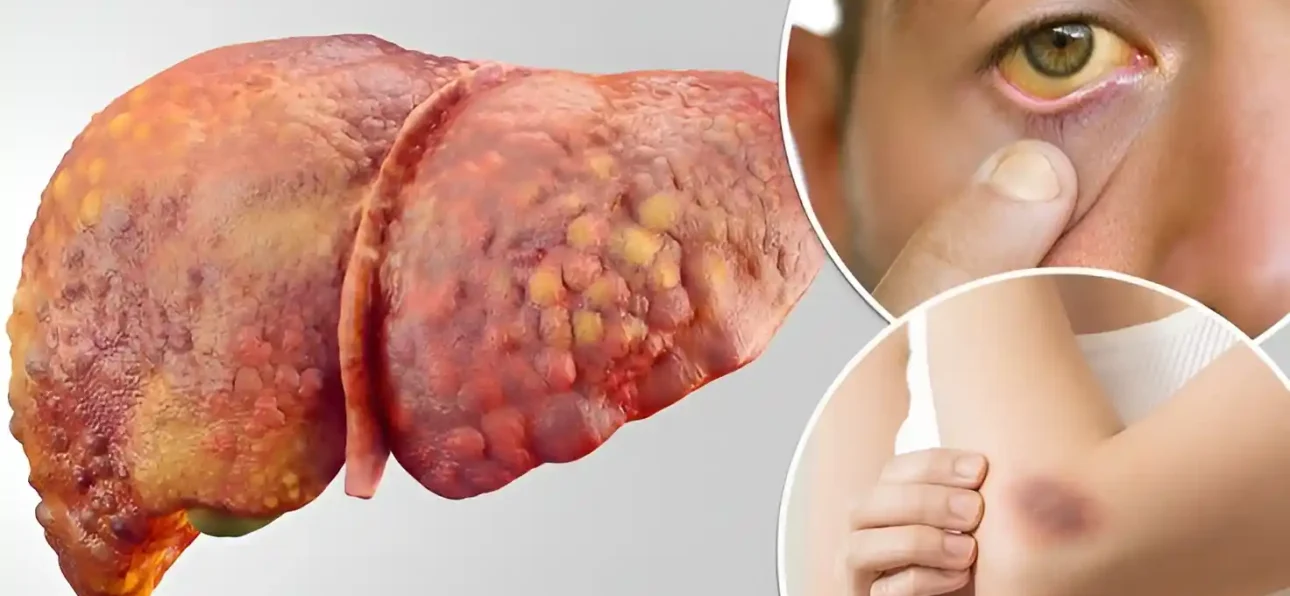
Yellowing of the skin or the whites of the eyes is known as jaundice. It occurs when bilirubin, a yellow pigment produced during the breakdown of red blood cells, accumulates in the body.
Jaundice can occur with liver inflammation, certain forms of liver damage, bile duct obstruction and other conditions.
It may be accompanied by dark urine, pale stools or itching. Jaundice should not be ignored or treated solely with home remedies.
New or unexplained jaundice requires urgent medical assessment. If it occurs alongside confusion, severe abdominal pain, fever or significant vomiting, seek emergency care.
3. Dark Urine
Urine that becomes unusually dark, particularly when accompanied by pale stools or yellowing of the eyes, can be a sign of increased bilirubin in the body.
Dark urine can also result from dehydration, certain medicines, foods or other medical conditions. Its colour alone cannot establish the cause.
If the change persists, occurs without an obvious explanation or appears with other symptoms of liver or bile duct disease, contact a healthcare professional.
4. Pale or Clay-Coloured Stools
Bile helps give stools their usual brown colour. Problems affecting bile production or flow can sometimes cause stools to become unusually pale, grey or clay-coloured.
This may occur with conditions affecting the liver, gallbladder or bile ducts.
Pale stools are particularly concerning when accompanied by jaundice, dark urine or itching. These symptoms need prompt medical assessment because a blockage or other underlying problem may require treatment.
5. Abdominal Discomfort or Swelling
Some people experience discomfort in the upper-right part of the abdomen, where the liver is located. Others may notice a feeling of fullness or pressure.
However, pain in this area can also arise from the gallbladder, stomach, intestines, muscles or other structures. Liver disease itself may cause no pain at all.
Swelling of the abdomen can develop when fluid accumulates in the abdominal cavity, a condition called ascites. Ascites can occur in advanced liver disease and requires medical evaluation.
Seek urgent care for severe or rapidly worsening abdominal pain, especially when accompanied by fever, vomiting, jaundice or abdominal swelling.
6. Persistent Itching
Ongoing itching without an obvious skin rash can occur with some liver and bile duct conditions. It may be associated with the accumulation of substances that affect the skin and nervous system.
Itching is not specific to liver disease and can also result from dry skin, allergies, kidney problems, medicines or other conditions.
If itching persists, disrupts sleep or occurs alongside jaundice, dark urine or pale stools, seek medical advice.
7. Easy Bruising or Bleeding
The liver produces several proteins needed for normal blood clotting. Significant liver dysfunction can affect the body’s ability to form clots, making bruising or bleeding more likely.
Warning signs may include unexplained bruises, frequent nosebleeds or bleeding that takes longer than usual to stop.
These symptoms can also result from medicines, platelet disorders and other medical conditions. New or unexplained bleeding should be assessed by a healthcare professional.
Vomiting blood, passing black tarry stools or experiencing heavy bleeding requires emergency medical attention.
8. Loss of Appetite, Nausea or Unexplained Weight Changes
Some liver conditions can cause nausea, reduced appetite, a feeling of fullness or unintentional weight loss. These symptoms may occur with fatigue or abdominal discomfort.
However, digestive symptoms are common and do not necessarily indicate liver disease.
Persistent loss of appetite, unexplained weight loss or ongoing nausea should be evaluated, especially when several symptoms occur together.
People should not begin restrictive diets or herbal detox programmes in an attempt to address unexplained symptoms before obtaining an appropriate assessment.
Can Liver Disease Occur Without Symptoms?
Yes. Some liver conditions remain silent for a long time.
Metabolic dysfunction-associated steatotic liver disease, commonly known as MASLD and previously widely called non-alcoholic fatty liver disease, involves excess fat in the liver associated with metabolic risk factors. It may occur alongside obesity, type 2 diabetes, abnormal cholesterol levels or high blood pressure.
Many people with fatty liver disease feel completely well and discover the condition through blood tests or imaging performed for another reason.
Some people develop inflammation and progressive scarring, known as fibrosis. Advanced scarring is called cirrhosis and can interfere with liver function.
The absence of symptoms does not rule out liver disease. People with diabetes, metabolic risk factors, certain infections or a history of significant alcohol exposure may benefit from discussing their individual risk and any appropriate testing with a healthcare professional.
Common Causes of Liver Problems
Liver disease can develop for several reasons. Understanding possible causes helps guide prevention, diagnosis and treatment.
Fatty Liver Disease
Excess fat can accumulate in the liver in association with metabolic factors, including insulin resistance, type 2 diabetes and excess body weight.
Some people develop liver inflammation and scarring, while others do not progress to advanced disease.
Management depends on the individual’s risk factors and the extent of liver damage. Lifestyle changes and appropriate treatment of associated conditions may be important.
Viral Hepatitis
Hepatitis refers to inflammation of the liver. Hepatitis B and hepatitis C are important viral causes of chronic liver disease.
Some infections produce few or no symptoms for years. Testing is important when indicated by medical history, risk factors or clinical findings.
Vaccination is available for hepatitis A and hepatitis B, although vaccination does not prevent every form of hepatitis.
Alcohol-Related Liver Disease
Alcohol can damage the liver, and risk depends on factors such as the amount consumed, pattern of use and individual susceptibility.
Alcohol-related liver disease may progress from fat accumulation to inflammation, fibrosis and cirrhosis.
People with liver disease should discuss alcohol use with their healthcare professional. Avoiding alcohol is particularly important when advised for an existing liver condition.
Medicines and Herbal Products
Certain prescription medicines, over-the-counter medicines and herbal supplements can cause liver injury in some circumstances.
The risk depends on the product, dose, duration, other medicines and individual health factors. Taking more than the recommended dose of some medicines can be dangerous.
Do not stop essential prescription medicines without medical advice, but tell your healthcare professional about all medicines, supplements and herbal preparations you use.
Autoimmune and Other Liver Conditions
Autoimmune hepatitis occurs when the immune system attacks the liver. Other conditions may affect bile ducts, iron metabolism, copper metabolism or other processes.
These conditions require specific investigations and treatment. Symptoms alone are often insufficient to distinguish them.
How Are Liver Problems Diagnosed?
A healthcare professional may begin by reviewing symptoms, medical history, alcohol use, medicines, supplements and relevant risk factors.
Investigations depend on the suspected condition and may include:
Liver blood tests: These may measure enzymes such as ALT and AST, alkaline phosphatase, bilirubin and other markers. Albumin and clotting tests may provide information about liver function and disease severity.
Ultrasound: Imaging can help identify fat accumulation, certain structural changes and some problems affecting the liver or bile ducts.
Additional blood tests: Depending on the circumstances, clinicians may investigate viral hepatitis, autoimmune conditions or other causes.
Fibrosis assessment: Some people may need non-invasive tests to estimate liver scarring or, in selected circumstances, further investigations.
Abnormal liver blood tests do not automatically mean permanent liver damage, and normal results do not exclude every liver condition. Results must be interpreted in the context of the patient’s medical history and other findings.
Practical Ways to Support Liver Health
Although not every liver condition can be prevented, several habits can support overall liver health.
Eat a Balanced Diet
Include a variety of vegetables, fruits, whole grains and suitable protein sources. Limit excessive intake of highly processed foods and sugary drinks, especially when metabolic risk factors are present.
There is no single food that cleanses the liver or reverses every type of liver disease.
Stay Physically Active
Regular physical activity supports metabolic health and may help people with fatty liver disease, particularly when combined with other appropriate lifestyle changes.
Choose activities suited to your abilities and medical circumstances.
Manage Diabetes and Other Metabolic Conditions
Good management of blood glucose, blood pressure and cholesterol can be important for people at risk of metabolic liver disease.
Follow an individualised care plan and attend recommended follow-up appointments.
Avoid Excessive Alcohol
Alcohol can contribute to liver injury. If you have a liver condition, ask your healthcare professional whether complete avoidance is necessary.
Use Medicines and Supplements Safely
Follow medicine instructions and avoid taking excessive doses. Discuss herbal products, supplements and over-the-counter preparations with a healthcare professional, especially if you already have liver disease.
Avoid unverified detox products or remedies advertised as guaranteed liver cleansers.
Ask About Hepatitis Prevention
Vaccination and appropriate testing can help prevent or identify certain viral hepatitis infections. Ask your healthcare professional about recommendations based on your age, medical history and risk factors.
When Should You Seek Medical Attention?
Arrange a medical appointment for persistent fatigue, unexplained abdominal discomfort, ongoing nausea, unexplained weight loss or other symptoms that do not improve.
Seek urgent medical assessment for new jaundice, pale stools accompanied by dark urine, or significant abdominal swelling.
Call emergency services or go to an emergency department for vomiting blood, black tarry stools, new confusion, severe abdominal pain or other signs of a serious acute illness.
Do not wait for multiple symptoms to appear before seeking help. Early evaluation may identify a treatable cause and help prevent complications.
What About Ayurveda for Liver Health?
Ayurveda includes traditional dietary and herbal practices that some people explore for general wellbeing. However, no herbal preparation should be assumed to prevent, reverse or cure liver disease simply because it is described as natural or traditionally used.
Some herbal products can cause liver injury or interact with medicines. Products marketed for detoxification or liver cleansing may carry particular risks when their ingredients, quality or effects are unclear.
Anyone with suspected or confirmed liver disease should consult a qualified healthcare professional before using Ayurvedic medicines or supplements. Do not delay diagnostic testing or replace prescribed treatment with herbal remedies.
For liver health, the priority is identifying the underlying cause, monitoring the condition when needed and following an appropriate medical plan.
Conclusion
The early signs of liver problems can be subtle, and some liver conditions cause no symptoms until they have progressed. Fatigue, jaundice, dark urine, pale stools, persistent itching, abdominal swelling and unexplained bleeding are among the symptoms that may warrant medical evaluation.
These signs do not all have the same cause, and some can indicate conditions that require urgent attention. Blood tests, imaging and other investigations may be needed to identify the problem accurately.
At Pure Forest Ayurveda, our approach to health education should encourage people to recognise warning signs, use medicines and supplements safely, and seek appropriate medical guidance. A balanced lifestyle can support general health, but it cannot replace diagnosis and treatment for an underlying liver condition.
Medical disclaimer: This article is for general educational purposes only and is not a substitute for medical advice, diagnosis or treatment. Seek urgent care for jaundice with concerning symptoms, vomiting blood, black stools, new confusion or severe abdominal pain. Consult a qualified healthcare professional before using Ayurvedic products or supplements if you have, or suspect you may have, liver disease.