
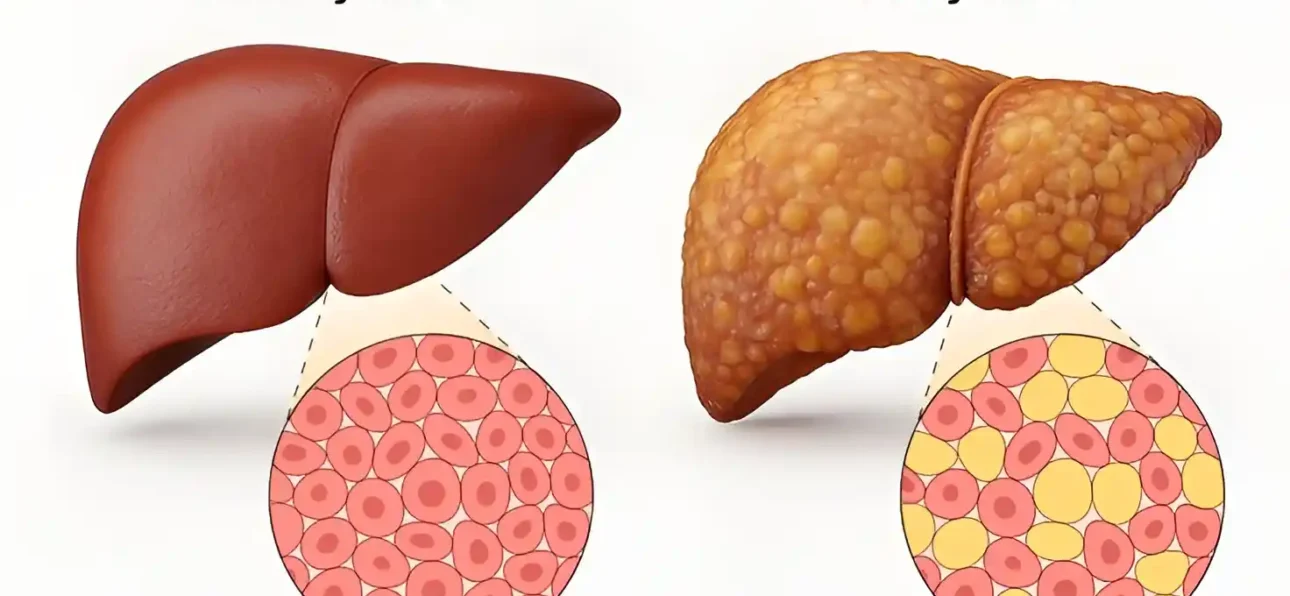
Fatty Liver Disease: Causes, Risk Factors and Management
Fatty liver disease is a condition in which excess fat accumulates in the liver. It can develop gradually and may remain unnoticed for years because many people experience no obvious symptoms during the early stages.
Although some fat accumulation does not immediately cause serious problems, certain forms of fatty liver disease can progress to inflammation, scarring and, in advanced cases, cirrhosis. Identifying risk factors and following an appropriate management plan can help reduce the risk of complications.
Fatty liver disease is frequently associated with metabolic conditions such as type 2 diabetes, excess body weight, high blood pressure and abnormal cholesterol levels. However, it can also occur in people who do not have all these risk factors.
At Pure Forest Ayurveda, we believe that responsible health education should help readers understand the condition, recognise the importance of medical evaluation and make informed lifestyle decisions. This article explains fatty liver disease, its causes, diagnostic tests and practical management options.
What Is Fatty Liver Disease?
Fatty liver disease describes a buildup of excess fat in liver cells. The terminology used to classify the condition has evolved as researchers have improved their understanding of its causes.
Metabolic dysfunction-associated steatotic liver disease (MASLD) is the current term for fatty liver disease associated with one or more cardiometabolic risk factors. It was previously widely known as non-alcoholic fatty liver disease (NAFLD).
A related condition, metabolic dysfunction-associated steatohepatitis (MASH), involves fat accumulation accompanied by liver-cell injury and inflammation. MASH was previously called non-alcoholic steatohepatitis (NASH).
Alcohol-related liver disease is another important cause of excess fat and liver damage. A person’s diagnosis depends on the pattern of alcohol use, metabolic risk factors and clinical findings.
These distinctions matter because the underlying cause and extent of liver damage influence management.
What Causes Fatty Liver Disease?
Fatty liver disease can develop through several overlapping mechanisms. Understanding the contributing factors can help guide prevention and treatment.
1. Insulin Resistance and Type 2 Diabetes
Insulin helps regulate how the body uses and stores glucose. When the body becomes less responsive to insulin, metabolic changes can encourage excess fat accumulation in the liver.
People with type 2 diabetes have a higher risk of MASLD and may also be more likely to develop advanced liver disease.
Managing blood glucose, blood pressure and cholesterol is therefore an important part of overall metabolic and liver health.
2. Excess Body Weight
Excess body fat, particularly when associated with abdominal fat accumulation, is an important risk factor for metabolic fatty liver disease.
However, fatty liver can also occur in people who are not overweight. Genetics, metabolic health, diet, medicines and other factors can contribute.
A person’s body weight alone cannot establish whether they have fatty liver disease or how severe it may be.
3. High Triglycerides and Abnormal Cholesterol
Triglycerides are a type of fat found in the blood. Elevated triglycerides and other lipid abnormalities commonly occur alongside metabolic fatty liver disease.
These changes may reflect broader metabolic dysfunction rather than a problem affecting the liver alone.
A healthcare professional may assess cholesterol levels, blood glucose, blood pressure and other risk factors when developing a management plan.
4. Dietary and Lifestyle Factors
Dietary patterns high in excess calories, sugary drinks and heavily processed foods may contribute to metabolic problems and fatty liver risk, particularly when combined with low physical activity.
However, no single food is responsible for every case. Genetics, medical conditions, medication use and other factors also influence risk.
The aim is to establish a balanced, sustainable lifestyle rather than follow an extreme diet or rely on a supposed liver-cleansing product.
5. Alcohol Consumption
Alcohol can cause fat accumulation and other forms of liver injury. The risk depends on the amount and pattern of consumption, individual susceptibility and other health factors.
Metabolic risk factors and alcohol exposure can coexist, so medical evaluation may be needed to determine the main contributors to liver disease.
People diagnosed with liver disease should discuss alcohol use with their healthcare professional and follow individual recommendations.
6. Certain Medicines and Other Medical Factors
Some medicines and medical conditions can contribute to fat accumulation in the liver or affect liver function.
Do not stop prescribed medicines independently if fatty liver is suspected. Instead, discuss your medication list and relevant health history with your clinician.
What Are the Symptoms of Fatty Liver Disease?
Many people with fatty liver disease have no noticeable symptoms, especially in the early stages. The condition may be discovered during routine blood tests or abdominal imaging performed for another reason.
When symptoms occur, they may include:
- Persistent fatigue.
- A general feeling of being unwell.
- Discomfort in the upper-right part of the abdomen.
- Reduced appetite in some cases.
These symptoms are not specific to fatty liver disease and can have many other causes.
More advanced liver disease may produce jaundice, abdominal swelling due to fluid accumulation, leg swelling, easy bruising or confusion. These symptoms can indicate significant complications and require prompt medical assessment.
The absence of symptoms does not mean that the liver is healthy. People with diabetes or other metabolic risk factors should discuss their individual risk and the need for testing with a healthcare professional.
Can Fatty Liver Disease Become Serious?
Fatty liver disease does not progress in the same way in everyone.
Some people have fat accumulation without substantial inflammation or scarring. Others develop progressive liver injury.
A possible progression is:
Fat accumulation → liver inflammation and injury → fibrosis → cirrhosis in some cases.
Fibrosis refers to scar tissue forming in the liver. Cirrhosis is advanced scarring that can interfere with normal liver function and increase the risk of complications, including liver failure and liver cancer.
Not everyone with fatty liver develops fibrosis or cirrhosis. Risk varies according to factors such as diabetes, the degree of liver injury, genetics and other medical conditions.
Identifying significant fibrosis is important because it may change the monitoring and treatment plan.
How Is Fatty Liver Disease Diagnosed?
Diagnosis usually involves reviewing medical history, risk factors, blood tests and, when appropriate, imaging or additional investigations.
1. Medical History and Examination
A healthcare professional may ask about diabetes, weight changes, alcohol consumption, medicines, family history and other relevant conditions.
These details help determine which causes of liver disease should be considered.
2. Liver Blood Tests
Blood tests may include ALT, AST and other markers associated with liver injury or bile flow. Other tests can assess bilirubin, albumin, clotting and general metabolic health.
Abnormal results can indicate a need for further evaluation, but they do not independently establish the cause or stage of fatty liver disease.
Importantly, liver enzyme levels can be normal even when fatty liver disease or significant fibrosis is present.
3. Ultrasound and Other Imaging
An abdominal ultrasound may detect fat accumulation in the liver. However, standard ultrasound has limitations and may not reliably identify mild fat accumulation or determine the degree of fibrosis.
Other imaging techniques may be considered when more detailed assessment is needed.
4. Fibrosis Assessment
Clinicians may use blood-based risk scores and specialised tests, such as transient elastography, to estimate the likelihood of significant liver scarring.
Some people may require referral to a liver specialist. A liver biopsy is needed only in selected circumstances when the result would help clarify diagnosis or guide care.
The appropriate tests depend on the individual’s medical history and initial findings.
How Is Fatty Liver Disease Managed?
Management depends on the cause, the degree of liver damage and other medical conditions. Lifestyle changes are important for many people with MASLD, while some patients may also require specific medicines or specialist care.
1. Adopt a Balanced Eating Pattern
A sustainable eating pattern can help improve metabolic health and support liver management.
Useful principles include:
- Eat a variety of vegetables and whole fruits.
- Include suitable protein sources such as pulses, beans, eggs, dairy products, tofu or fish.
- Choose whole grains more often when appropriate.
- Limit sugary drinks and excessive added sugars.
- Reduce frequent intake of heavily processed, energy-dense foods.
- Choose suitable unsaturated fats rather than relying heavily on saturated fats.
There is no single food that removes liver fat or cures fatty liver disease. The overall dietary pattern and its suitability for the individual are more important than a so-called superfood.
People with diabetes, kidney disease or other conditions may need a personalised nutrition plan.
2. Work Towards a Healthy Weight When Appropriate
For people with excess body weight, gradual weight reduction may reduce liver fat and improve some markers of liver injury.
The amount of weight loss needed depends on the person’s circumstances and treatment goals. Greater sustained weight loss may provide additional benefits for some people with MASH, but results vary.
Avoid crash diets, prolonged unsupervised fasting and extreme calorie restriction. These approaches can be difficult to maintain and may create other health risks.
A clinician or registered dietitian can help develop a realistic plan that preserves muscle and meets nutritional needs.
3. Exercise Regularly
Physical activity can support metabolic health and may reduce liver fat even when substantial weight loss does not occur.
Suitable activities may include walking, cycling, swimming or resistance exercises. People who are not currently active can start with manageable sessions and increase activity gradually.
The right routine depends on age, fitness, mobility and other medical conditions. Seek professional advice if you have significant health limitations or symptoms that make exercise difficult.
4. Manage Diabetes, Cholesterol and Blood Pressure
Fatty liver disease often occurs alongside other metabolic conditions. Managing blood glucose, cholesterol and blood pressure can support overall health and reduce related risks.
Follow the treatment plan recommended by your healthcare team and attend appropriate follow-up appointments.
Do not stop prescribed medicines because you believe lifestyle changes alone will be sufficient.
5. Avoid Alcohol When Advised
Alcohol can worsen liver injury, particularly in people with existing liver disease.
Ask your healthcare professional whether you should avoid alcohol completely. If alcohol dependence is a concern, seek medical support for a safe plan to stop or reduce consumption.
6. Use Supplements and Herbal Medicines Carefully
Many products are marketed for liver cleansing, fat reduction or liver detoxification. These claims should be treated cautiously.
Some supplements and herbal preparations can cause liver injury, interact with medicines or contain contaminants. There is no reliable basis for assuming that a product is safe simply because it is described as natural.
Tell your healthcare professional about all medicines, herbs and supplements you use. Do not replace recommended fatty liver management with an unverified remedy.
What About Ayurveda for Fatty Liver Disease?
Ayurveda includes traditional dietary and herbal approaches that some people explore for general wellbeing. However, evidence for specific Ayurvedic preparations in treating fatty liver disease varies, and traditional use does not establish that a product reverses liver damage or prevents complications.
People with fatty liver disease should obtain an appropriate medical assessment and discuss any proposed herbal treatment with their healthcare team.
This is particularly important when liver enzymes are abnormal, fibrosis is suspected or other medicines are being taken.
A complementary approach should support informed care rather than delay testing, replace prescribed treatment or promise a guaranteed cure.
How Often Should Fatty Liver Disease Be Monitored?
Monitoring depends on the individual’s risk factors, blood test results, fibrosis assessment and overall health.
Some people may need periodic blood tests and repeat risk assessment, while those with significant fibrosis or cirrhosis may require specialist follow-up and screening for complications.
People with diabetes or multiple metabolic risk factors should discuss whether liver fibrosis assessment is appropriate for them.
Do not assume that improving how you feel means the liver condition has resolved. Follow-up should be based on clinical advice and relevant test results.
When Should You Seek Medical Advice?
Arrange an appointment if you have diabetes or other metabolic risk factors and are concerned about fatty liver disease. Persistent fatigue, unexplained abdominal discomfort or abnormal liver blood tests also warrant assessment.
Seek urgent medical attention for new jaundice, significant abdominal swelling or rapidly worsening symptoms.
Vomiting blood, black tarry stools, new confusion or severe abdominal pain require emergency care.
Early assessment can help distinguish uncomplicated fat accumulation from other liver conditions and identify patients who need closer monitoring or treatment.
Conclusion
Fatty liver disease is a common condition associated with metabolic risk factors, although it can occur in people without excess body weight. Many individuals have no symptoms in the early stages, making appropriate assessment important when risk factors are present.
Management often includes balanced nutrition, suitable physical activity, gradual weight reduction when appropriate, control of diabetes and cholesterol, and careful use of medicines and supplements. Some people require specialist evaluation and additional treatment based on the extent of liver damage.
At Pure Forest Ayurveda, our health-education approach should encourage informed lifestyle choices, accurate diagnosis and safe discussion of complementary therapies. Avoid unverified detox products and seek personalised professional guidance to protect long-term liver health.
Medical disclaimer: This article is for general educational purposes only and is not a substitute for medical diagnosis or treatment. Consult a qualified healthcare professional about fatty liver risk, testing and management. Seek urgent care for jaundice with concerning symptoms, vomiting blood, black stools, new confusion or severe abdominal pain.