
Cancer Screening: Tests, Benefits and Questions to Ask Your Doctor
Cancer screening is an important part of preventive healthcare. Certain screening tests can identify cancer or precancerous changes before symptoms develop, giving eligible people an opportunity to seek timely evaluation and treatment.
However, screening is not the same as diagnosing cancer. A screening result may be normal even when cancer is present, or it may be abnormal even when no cancer is found. Some cancers also do not have established screening tests for people without symptoms.
Understanding the available tests, their benefits and limitations, and the importance of personalised recommendations can help you make informed decisions about your health.
At Pure Forest Ayurveda, we believe that health awareness and preventive care are essential parts of responsible wellness. This guide explains common cancer screening tests, who may benefit from them and what to discuss with your healthcare professional.
What Is Cancer Screening?
Cancer screening involves testing people who do not have symptoms to look for certain cancers or precancerous changes.
Screening aims to identify selected diseases early, sometimes before a person notices any changes in their health.
For example, cervical screening can identify certain HPV infections or precancerous changes that may develop into cervical cancer. Breast screening may detect abnormalities that require further investigation.
Screening recommendations depend on several factors, including age, personal and family history, previous test results, risk factors and the screening guidelines applicable in your country.
Important: If you already have symptoms such as an unexplained lump, unusual bleeding or persistent unexplained pain, you need medical evaluation. Do not wait for your next routine screening appointment.
1. Breast Cancer Screening
Breast cancer screening aims to identify breast cancer in people who do not have symptoms.
What is mammography?
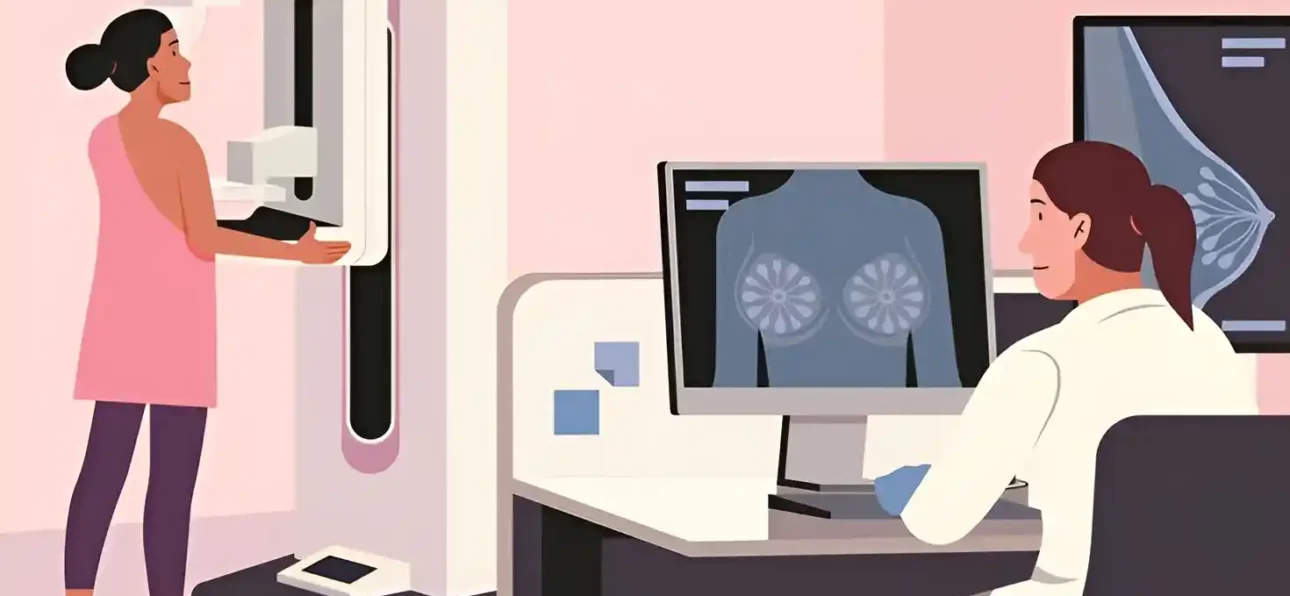
Mammography uses low-dose X-rays to examine breast tissue. It can detect abnormalities that may not be noticeable during a physical examination.
Depending on the findings, further assessment may involve additional imaging or a biopsy.
Who may need breast screening?
Recommendations vary by country, age and individual risk. A healthcare professional can explain when mammography is appropriate and how often it should be performed.
People with a strong family history, certain inherited genetic changes or previous high-risk breast conditions may need a different screening plan.
What about breast self-awareness?
Being familiar with the usual appearance and feel of your breasts can help you notice changes. However, breast self-examination alone is not a substitute for recommended screening.
Seek medical advice about a new lump, nipple changes, unusual discharge, skin dimpling or a change in breast shape, even if you have recently had a normal screening result.
2. Cervical Cancer Screening
Cervical cancer develops in the cervix, the lower part of the uterus. Persistent infection with certain high-risk types of human papillomavirus (HPV) is responsible for most cervical cancers.
Screening can identify high-risk HPV infections or precancerous changes before cancer develops.
Common screening tests
HPV testing: This checks for high-risk HPV types associated with cervical cancer.
Cervical cytology (Pap test): This examines cervical cells for abnormal changes.
Depending on the applicable guidelines, screening may use HPV testing, cytology or a combination of methods.
Who should consider screening?
Recommendations depend on age, previous results, medical history and local guidelines. People who have undergone treatment for cervical precancer or have certain immune conditions may need individualised follow-up.
HPV vaccination can help prevent infections associated with many cervical cancers, but vaccination does not eliminate the need for recommended screening.
If you experience unusual vaginal bleeding, bleeding after sex or persistent unusual discharge, seek medical advice rather than waiting for a routine screening test.
3. Colorectal Cancer Screening
Colorectal cancer affects the colon or rectum. Some colorectal cancers develop from polyps, which are growths in the lining of the bowel.
Screening can detect certain cancers early and, in some cases, identify polyps that can be removed before they become cancerous.
Common screening methods
Stool-based tests: These look for signs such as hidden blood or other markers associated with colorectal cancer. An abnormal result may require a colonoscopy.
Colonoscopy: A clinician uses a flexible instrument with a camera to examine the inside of the colon and rectum. Polyps can often be removed during the procedure.
Other screening approaches may be appropriate depending on individual circumstances and local guidelines.
Who may benefit?
Eligibility and recommended starting ages differ between countries. People with a strong family history, certain inherited conditions, inflammatory bowel disease or previous colorectal polyps may need earlier or more frequent assessment.
Symptoms such as blood in the stool, persistent bowel changes or unexplained weight loss should be medically evaluated rather than managed through screening alone.
4. Lung Cancer Screening
Lung cancer screening is intended for selected people at high risk, particularly those with a substantial smoking history.
What test is used?
Low-dose computed tomography (LDCT) uses a specialised CT scan to look for lung abnormalities while using less radiation than a standard diagnostic chest CT.
It is not recommended as a routine screening test for every adult.
Who may need it?
Eligibility depends on factors such as age, smoking history, current or previous tobacco use and the applicable clinical guidelines.
A healthcare professional can determine whether the potential benefits outweigh the risks for an individual.
A routine chest X-ray is not a substitute for recommended LDCT screening in eligible high-risk individuals.
If you have persistent cough, coughing up blood, unexplained weight loss or ongoing breathing difficulties, seek medical evaluation regardless of your screening eligibility.
5. Prostate Cancer Testing
Prostate cancer screening decisions require discussion of potential benefits, limitations and personal preferences.
One commonly used test is the prostate-specific antigen (PSA) blood test. PSA is a protein produced by the prostate, and elevated levels can occur for several reasons, including prostate cancer, benign prostate enlargement and inflammation.
An elevated PSA result does not automatically mean that cancer is present.
Further assessment may involve repeat testing, examination, imaging or a biopsy, depending on the circumstances.
The potential benefits and harms of screening differ between individuals. Discuss age, family history, personal risk and the possibility of false-positive results and overdiagnosis with your healthcare professional before deciding whether to undergo testing.
6. Are There Screening Tests for Every Cancer?
No. Not every cancer has an established screening test that is recommended for the general population.
For example, there is no widely recommended routine screening test for pancreatic cancer in average-risk, asymptomatic adults.
Similarly, whole-body scans and broad commercial blood tests should not automatically be considered reliable ways to rule out every cancer.
Some tests are useful for people with specific inherited risks or medical histories, but they may not be appropriate for everyone.
Your healthcare professional can explain which tests are supported by evidence for your individual circumstances.
Benefits of Cancer Screening
Appropriate screening can offer several potential benefits.
Earlier detection
Screening may identify certain cancers before symptoms develop, when treatment can sometimes be more effective.
Prevention of some cancers
Some screening tests, such as cervical screening and certain colorectal screening approaches, can identify precancerous changes that may be treated before cancer develops.
Better-informed health decisions
Screening can provide useful information about whether further investigation is necessary.
However, benefits vary according to the cancer type, the test used and the person’s risk. Screening does not guarantee that cancer will be detected early or that it will not develop later.
Risks and Limitations of Cancer Screening
Screening also has limitations that should be understood before testing.
False-positive results: A test may indicate a possible abnormality even when cancer is not present. This can lead to additional tests and anxiety.
False-negative results: A screening test may fail to detect an existing cancer.
Overdiagnosis: Some screening programmes may detect cancers that would never have caused symptoms or affected a person’s lifespan.
Additional procedures: An abnormal result may lead to imaging, biopsies or other investigations, which can have their own risks.
Radiation exposure: Some imaging tests involve radiation. The potential benefits and risks should be considered when deciding whether a test is appropriate.
These limitations do not mean that screening should be avoided. They mean that tests should be selected based on evidence, personal risk and informed discussion with a healthcare professional.
How Can You Prepare for a Screening Appointment?
A little preparation can help you get more from your appointment.
Before attending, consider:
- Gathering details of your previous screening results.
- Preparing a list of medicines and supplements you take.
- Recording any relevant family history of cancer.
- Asking whether you need to avoid food or drink before the test.
- Understanding how and when you will receive your results.
- Asking what follow-up will be required if the result is abnormal.
Tell your healthcare professional about any symptoms you are experiencing. This information may change which tests are appropriate.
What Is the Role of Ayurveda in Cancer Prevention and Screening?
Ayurveda is a traditional Indian system of medicine that considers diet, lifestyle and individual health needs as part of its approach to wellness.
Healthy lifestyle practices, including balanced nutrition and suitable physical activity, can support general health. However, no Ayurvedic product has been established as a substitute for recommended cancer screening.
Herbal products should not be used to postpone a mammogram, cervical screening test, colonoscopy or other recommended investigation.
Some herbal preparations can also interact with medicines and cancer treatments. If you use Ayurvedic products, inform your healthcare professional and discuss their ingredients and safety.
At Pure Forest Ayurveda, health education should support informed decisions and complement appropriate medical screening and treatment.
Frequently Asked Questions
1. What is the best cancer screening test?
There is no single test that detects every cancer. The appropriate test depends on the cancer type, age, personal history, risk factors and current guidelines.
2. Can a normal screening result rule out cancer?
No. Screening tests have limitations and can sometimes miss existing cancer. Seek medical advice if concerning symptoms develop, even after a normal result.
3. At what age should cancer screening begin?
The recommended age varies by cancer type, country, family history and personal risk. Ask your healthcare professional which screening tests are appropriate for you.
4. Is cancer screening necessary if I feel healthy?
Some screening tests are specifically intended for people without symptoms. Eligible individuals may benefit from recommended screening even when they feel well.
5. Can a blood test detect all cancers?
No. Routine blood tests and currently available commercial multi-cancer tests cannot reliably rule out every cancer. Test selection should follow appropriate clinical guidance.
6. Can Ayurveda replace cancer screening?
No. Ayurvedic products and wellness practices should not replace evidence-based screening or diagnostic investigations. Discuss complementary treatments with your healthcare professional.
Conclusion
Cancer screening can be an important part of preventive healthcare when it is recommended for the right person at the right time. Mammography, cervical screening, colorectal screening and selected lung cancer screening approaches can help detect particular cancers or precancerous changes.
However, not every cancer has an established screening test, and screening results are not perfect. Understanding the benefits, risks and limitations of each test helps people make informed decisions.
Pure Forest Ayurveda encourages preventive awareness, responsible guidance and personalised wellness. Speak with a qualified healthcare professional about your screening needs and seek medical evaluation promptly if you notice concerning symptoms.
Medical disclaimer: This article is for educational purposes only and does not replace professional medical advice, diagnosis or treatment. Screening decisions should be made with a qualified healthcare professional using current, locally applicable guidelines.