
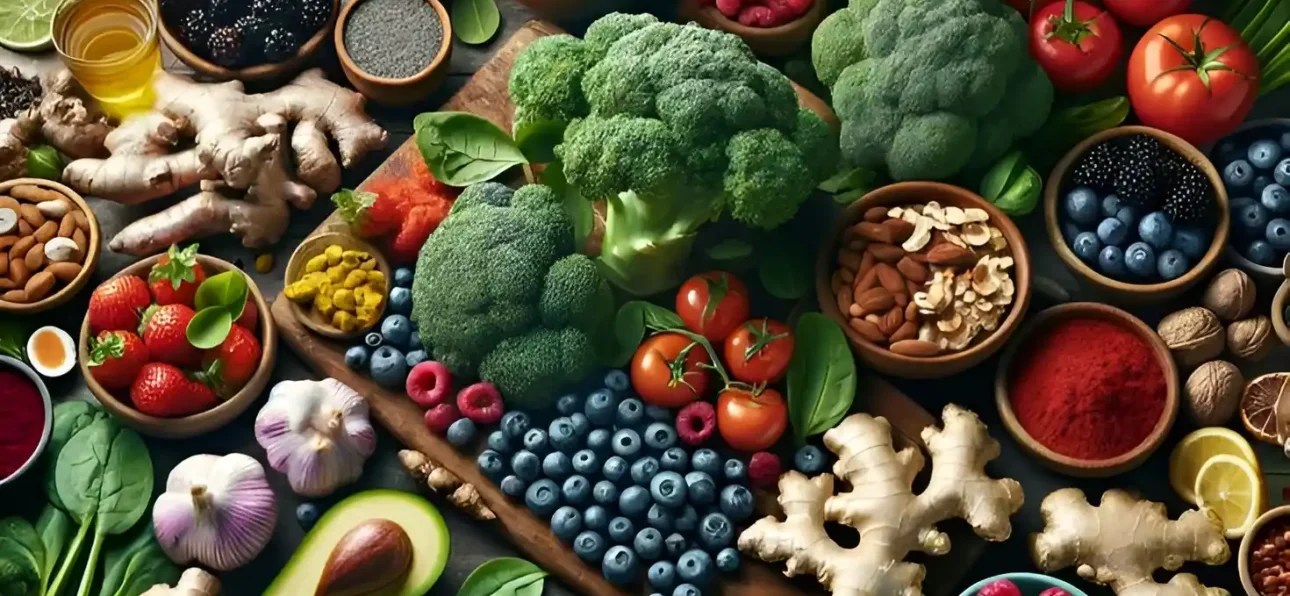
Nutrition During Cancer Treatment: A Practical Guide for Patients
Cancer treatment can affect many aspects of daily life, including appetite, digestion, energy levels and the ability to enjoy food. Some patients experience nausea or changes in taste, while others may struggle with mouth sores, difficulty swallowing, constipation or diarrhoea. These challenges can make it difficult to eat enough and maintain a healthy nutritional status.
Good nutrition during cancer treatment is an important part of supportive care. It can help the body meet its energy and protein needs, maintain strength and support recovery from treatment-related side effects. However, there is no single diet suitable for every person with cancer. Nutritional requirements depend on the type of cancer, the treatment being received, existing medical conditions and the patient’s ability to eat and digest food.
At Pure Forest Ayurveda, we believe that health education should encourage informed, individualised decisions. Understanding nutrition, recognising when professional support is needed and discussing complementary approaches with qualified healthcare professionals can help patients make safer choices throughout their treatment journey.
Why Is Nutrition Important During Cancer Treatment?
Cancer and its treatments can place additional demands on the body. Some patients need more energy and protein than usual, particularly when they are losing weight, recovering from surgery or experiencing treatment-related side effects.
Adequate nutrition may help patients:
- Maintain body weight and muscle strength.
- Meet their daily energy and protein requirements.
- Support normal body functions and tissue repair.
- Cope better with certain treatment-related eating difficulties.
- Maintain hydration and reduce the risk of dehydration.
- Preserve their quality of life during treatment.
Nutrition cannot cure cancer or replace chemotherapy, radiation therapy, surgery, immunotherapy or other prescribed treatment. Instead, it forms one part of a broader supportive-care plan.
Patients should not feel that they have failed if they cannot follow a perfect diet. During difficult periods, the priority may simply be to eat and drink enough, manage symptoms and obtain professional nutritional support.
What Should a Cancer Patient Eat During Treatment?
There is no universal cancer diet. The best food choices depend on the patient’s nutritional status, treatment side effects, digestive health and any restrictions recommended by their medical team.
1. Include Protein-Rich Foods
Protein helps maintain muscle mass and supports tissue repair. When food intake decreases, patients may struggle to meet their protein requirements, making it useful to include protein-containing foods regularly.
Depending on individual needs and tolerance, suitable options may include:
- Well-cooked eggs.
- Milk, yoghurt or other pasteurised dairy products.
- Paneer and other suitable dairy-based foods.
- Well-cooked lentils, beans and chickpeas.
- Tofu or other soy foods.
- Thoroughly cooked fish or chicken.
People following a vegetarian diet can often obtain protein from combinations of dairy products, pulses, legumes, soy and other suitable foods.
Patients with kidney disease or other conditions requiring protein restrictions should seek individual advice rather than automatically increasing protein intake.
2. Choose Energy-Rich Foods When Appetite Is Low
Some patients feel full quickly or lose interest in food during treatment. Eating three large meals may become difficult.
Smaller, more frequent meals and snacks can sometimes make eating easier. Depending on tolerance, examples include:
- Porridge prepared with milk.
- Yoghurt with soft fruit.
- Rice with dal and a suitable protein source.
- Soft khichdi enriched with paneer or another tolerated protein.
- Smooth nut butter on bread, if swallowing is safe.
- A nourishing smoothie made with pasteurised milk or yoghurt and suitable fruit.
Patients who are losing weight should discuss calorie-dense foods or oral nutrition supplements with a registered dietitian or oncology team.
3. Eat Fruits and Vegetables According to Your Tolerance
Fruits and vegetables provide vitamins, minerals and dietary fibre. However, treatment-related mouth sores, diarrhoea or digestive sensitivity may affect which foods are comfortable to eat.
Soft, cooked vegetables, ripe peeled fruits or well-cooked preparations may be easier to tolerate for some patients.
Wash produce thoroughly under running water and follow the healthcare team’s food-safety advice. Patients with a weakened immune system may need additional precautions. Avoid raw or undercooked foods when advised by the treating team.
4. Include Carbohydrates for Energy
Carbohydrates provide energy and can help patients meet their daily nutritional needs. Options may include rice, oats, bread, potatoes, roti and other grains, selected according to individual tolerance.
A patient experiencing nausea or poor appetite may find plain rice, toast, crackers or other simple foods easier to manage temporarily.
People with diabetes may need to balance carbohydrate intake with blood glucose management. Their meals should be planned with the healthcare team rather than following a restrictive diet without supervision.
5. Maintain Adequate Hydration
Fluids are important for normal body functions, especially when vomiting, diarrhoea or poor intake increases the risk of dehydration.
Water, soups, broths and other appropriate fluids may help patients meet their needs. Some people find frequent small sips easier than drinking a large amount at once.
The amount of fluid required varies. Patients with kidney disease, heart problems or treatment-related fluid restrictions should follow their clinician’s advice instead of increasing fluid intake independently.
Managing Common Eating Problems During Cancer Treatment
Treatment-related side effects can change from day to day. The following strategies may help, but persistent or severe symptoms should always be discussed with the healthcare team.
Loss of Appetite
Reduced appetite can make it difficult to eat enough throughout the day.
Helpful approaches may include:
- Eating small portions at regular intervals.
- Keeping tolerated snacks readily available.
- Eating when appetite is best rather than waiting for traditional meal times.
- Choosing foods that provide more energy and protein in smaller portions.
- Asking a dietitian whether a nutritional supplement is appropriate.
Unintentional weight loss should be reported promptly, particularly when it continues despite these measures.
Nausea and Vomiting
Nausea can occur with certain cancer treatments, although the severity varies considerably.
Some patients tolerate small, frequent meals and bland foods better than rich, greasy or strongly scented meals. Sitting upright after eating may also be more comfortable.
Anti-nausea medicines prescribed by the oncology team can be important in managing these symptoms. Patients should contact their healthcare provider if vomiting persists, they cannot keep fluids down or they notice signs of dehydration.
Mouth Sores and Painful Swallowing
Mouth sores can make eating and drinking painful. Soft, moist foods may be easier to tolerate than hard, dry or crunchy foods.
Depending on symptoms, patients may prefer soft rice, porridge, mashed vegetables, smooth soups or other foods that do not require much chewing.
Spicy, acidic, very hot or rough-textured foods may irritate sensitive areas. Do not force solid food if swallowing is difficult. New or worsening swallowing problems require medical assessment because they may increase the risk of dehydration, malnutrition or aspiration.
Changes in Taste and Smell
Cancer treatment can make foods taste bitter, metallic, bland or unusually strong.
Patients may find it helpful to experiment with different temperatures, textures and mild seasonings. If the smell of cooking triggers nausea, cold or room-temperature meals may be more comfortable.
A change in taste can also reduce interest in protein-rich foods. Trying different tolerated protein sources may help maintain intake.
Constipation and Diarrhoea
Constipation may be associated with certain medicines, reduced activity or changes in food and fluid intake. Diarrhoea can occur with particular treatments and may quickly lead to dehydration.
Dietary changes should depend on the cause and severity. Fibre may help some people with constipation, but increasing it suddenly may be unsuitable for others. During diarrhoea, certain patients may temporarily tolerate lower-fibre foods better.
Contact the oncology team for persistent diarrhoea, severe abdominal pain, blood in the stool or signs of dehydration. Do not rely on dietary changes alone to manage severe symptoms.
Food Safety During Cancer Treatment
Some cancer treatments reduce the body’s ability to fight infections. Foodborne illness can therefore be particularly serious for certain patients.
Practical precautions include:
- Wash hands before preparing or eating food.
- Wash fruits and vegetables thoroughly.
- Cook meat, fish, eggs and seafood thoroughly.
- Choose pasteurised milk, dairy products and juices.
- Refrigerate perishable foods promptly.
- Keep raw meat separate from ready-to-eat foods.
- Avoid spoiled food and follow safe storage instructions.
- Follow any additional food restrictions provided by the oncology team.
Avoid raw or undercooked animal products and unpasteurised foods when recommended by the treating team. Special dietary precautions should be based on the patient’s treatment, blood counts and clinical situation rather than assuming every patient needs the same restrictions.
Should Cancer Patients Take Vitamins, Supplements or Herbal Products?
Patients sometimes consider vitamins, antioxidants, herbal preparations or traditional remedies during treatment. It is important to discuss these products with the oncologist, pharmacist or registered dietitian before using them.
A supplement may be useful when a specific deficiency or nutritional need has been identified. However, taking more vitamins does not necessarily improve outcomes, and high doses of certain nutrients may cause harm.
Some herbal products can affect how medicines are processed by the body, increase bleeding risk, affect liver or kidney function, or interact with cancer treatments. Products marketed as natural are not automatically safe.
Patients interested in Ayurveda or other complementary approaches should disclose every product they use, including its ingredients, dose and manufacturer. They should not stop, delay or replace prescribed cancer treatment with herbal remedies, detox programmes or restrictive diets.
Common Diet Myths Cancer Patients Should Avoid
Misinformation can create unnecessary anxiety and make eating more difficult. A few important points are worth remembering.
Myth 1: Sugar directly feeds cancer, so all carbohydrates must be eliminated.
The body uses glucose for energy, and healthy cells also need it. There is no reliable basis for claiming that completely eliminating dietary sugar cures cancer. Patients should follow appropriate advice about added sugar and blood glucose, particularly if they have diabetes.
Myth 2: Fasting or detox diets can remove cancer from the body.
There is insufficient evidence that detox diets or unsupervised fasting cure cancer. Restrictive approaches can worsen weight loss and malnutrition, especially when nutritional needs are already increased.
Myth 3: Herbal products are always safer than medicines.
Herbal products can have side effects, contamination risks and interactions with prescribed treatments. Their safety should be assessed individually.
Myth 4: Every cancer patient needs the same diet.
Nutritional requirements vary by diagnosis, treatment, symptoms, personal preferences and other health conditions. Personalised advice is safer and more useful than a universal food list.
When Should You Consult a Dietitian or Doctor?
Seek professional nutritional support if you experience persistent loss of appetite, unintentional weight loss, difficulty swallowing, repeated vomiting, prolonged diarrhoea or difficulty meeting your daily food and fluid needs.
Contact your oncology team promptly if you cannot keep fluids down, have markedly reduced urination, develop severe weakness or experience other concerning symptoms. Fever during cancer treatment can be a medical emergency; follow the emergency instructions given by your treating team.
A registered dietitian experienced in oncology can assess weight changes, nutritional requirements, food tolerance and supplement needs. The oncology team can also investigate symptoms that may require medication or other treatment.
How Can Personalised Support Help During Cancer Care?
Cancer treatment can affect each person differently. A nutritional approach that works for one patient may not be suitable for another, especially when other conditions such as diabetes, liver disease or kidney disease are present.
At Pure Forest Ayurveda, health education should complement evidence-based medical care and support informed discussions with qualified professionals. Patients interested in traditional Ayurvedic practices should seek an individual assessment and discuss any proposed herbs, medicines or dietary changes with their oncology team before starting them.
The goal is not to follow the strictest diet. It is to make safe, practical food choices that help meet nutritional needs while respecting the patient’s treatment plan, symptoms and preferences.
Conclusion
Nutrition during cancer treatment is about maintaining strength, meeting individual nutritional needs and managing difficulties with eating and drinking. Protein-rich foods, adequate energy, appropriate hydration and safe food preparation can all play a role, but the right plan depends on the patient’s medical circumstances.
Avoid extreme diets, unverified cancer-cure claims and unsupervised supplements. Work with the oncology team and a qualified dietitian to develop a realistic nutrition plan, and report persistent symptoms or unexpected weight loss early.
Medical disclaimer: This article is for general educational purposes only and is not a substitute for diagnosis, personalised dietary advice or cancer treatment. Patients should consult their oncology team before making major dietary changes or using vitamins, supplements or Ayurvedic products.