
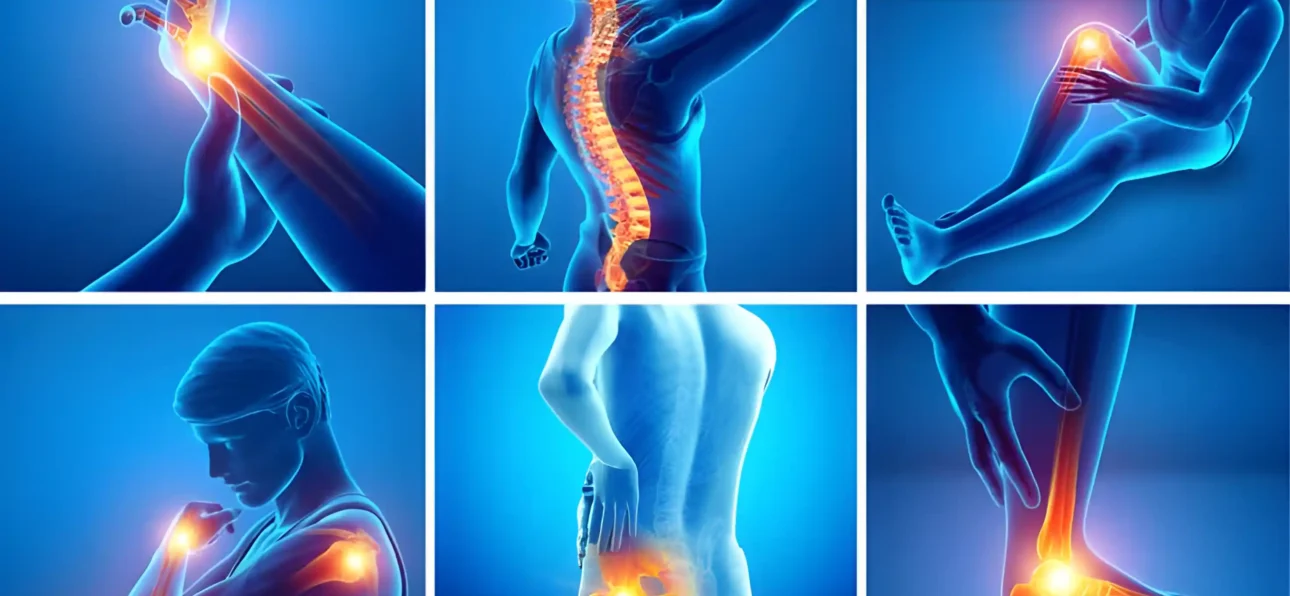
Common Causes of Joint Pain and When to Seek Medical Advice
Joint pain is a common health concern that can affect people of different ages and activity levels. It may develop gradually over time or appear suddenly after an injury, infection or other health problem. For some people, discomfort is occasional and mild. For others, joint pain and stiffness can interfere with walking, climbing stairs, working, exercising or performing everyday activities.
The causes of joint pain vary widely. Osteoarthritis, inflammatory arthritis, injuries, overuse and certain infections can all affect the joints. Identifying the underlying cause is important because different conditions require different approaches to treatment.
At Pure Forest Ayurveda, we believe that understanding symptoms and seeking appropriate medical guidance are important steps towards better health. This article explains common causes of joint pain, symptoms to watch for, available treatment approaches and situations in which professional assessment is essential.
What Is Joint Pain?
A joint is the point where two or more bones meet. Joints allow the body to bend, rotate, move and bear weight. They are supported by structures such as cartilage, ligaments, tendons, muscles and a surrounding joint capsule.
Joint pain, medically known as arthralgia, refers to discomfort in or around one or more joints. It can affect the knees, hips, shoulders, elbows, wrists, fingers, ankles and other areas.
The pain may feel different depending on its cause. Some people experience a dull ache, while others report sharp pain, swelling, warmth or stiffness. Symptoms may become more noticeable during movement, after rest or at particular times of the day.
Joint pain should not automatically be attributed to ageing. Although some joint conditions become more common with age, younger adults can also develop joint problems due to sports injuries, autoimmune conditions, infections or other medical issues.
8 Common Causes of Joint Pain
1. Osteoarthritis
Osteoarthritis is one of the most common causes of persistent joint pain. It occurs when changes develop in the entire joint, including the cartilage, underlying bone and surrounding tissues.
It frequently affects the knees, hips, hands and spine. Symptoms can include pain during movement, stiffness after periods of rest, reduced flexibility and difficulty performing everyday activities.
Risk factors include increasing age, previous joint injuries, excess body weight and certain occupational or physical stresses. However, osteoarthritis can develop for several reasons, and symptoms vary from person to person.
Treatment may include therapeutic exercise, physiotherapy, weight management when appropriate, pain-relieving medicines and other interventions based on the severity of the condition.
2. Rheumatoid Arthritis
Rheumatoid arthritis is an autoimmune disease in which the immune system mistakenly attacks the lining of joints. This can cause inflammation, pain, swelling and stiffness.
It often affects several joints, including the small joints of the hands and feet. Symptoms may occur on both sides of the body, and morning stiffness can last for an extended period.
Rheumatoid arthritis is different from ordinary wear-and-tear joint changes. Without appropriate treatment, ongoing inflammation can damage joints and affect other parts of the body.
Early diagnosis is important. A rheumatologist may recommend disease-modifying medicines to control inflammation and reduce the risk of long-term joint damage.
3. Gout
Gout is a form of inflammatory arthritis associated with urate crystal deposits in joints. It can cause sudden episodes of severe pain, redness, swelling and warmth.
The big toe is a common site, but gout can also affect the ankles, knees and other joints. An attack may begin rapidly and become extremely painful over a short period.
Uric acid levels, kidney function, medicines, genetics and other factors may influence gout risk. A blood test alone does not always confirm whether a person has gout, so a clinician may need additional assessment.
Treatment may include medicines to control an acute attack and, when indicated, long-term urate-lowering treatment. Dietary changes may support management but should not replace prescribed treatment.
4. Joint Injuries
Joint pain can follow falls, sports injuries, accidents or sudden twisting movements. Sprains involve ligaments, while other injuries may affect tendons, cartilage, bones or the joint itself.
Symptoms can include pain, swelling, bruising, reduced movement and difficulty putting weight on the affected limb.
A severe injury may cause a fracture or dislocation, which requires prompt medical assessment. Significant swelling, deformity, inability to bear weight or severe pain should not be dismissed as a minor sprain.
Treatment depends on the type and severity of the injury and may involve protection, appropriate pain relief, rehabilitation or specialist care.
5. Overuse and Repetitive Strain
Repeated movements or a sudden increase in physical activity can place excessive stress on joints and surrounding tissues. This may occur during sports, heavy lifting, prolonged kneeling or repetitive work.
Pain may develop gradually and become worse during or after the activity that caused it.
Allowing time for recovery, adjusting activity levels and improving movement technique may help in uncomplicated cases. However, persistent or worsening pain should be assessed to rule out a more significant injury or another underlying condition.
6. Bursitis and Tendon Problems
Bursae are small fluid-filled sacs that help reduce friction around joints. Bursitis occurs when one of these structures becomes irritated or inflamed.
Tendons connect muscles to bones. Tendon-related conditions can also cause pain near a joint, especially during particular movements.
Shoulder, elbow, hip and knee discomfort may sometimes arise from these structures rather than from the joint itself.
Treatment can involve activity modification, physiotherapy and other measures recommended by a clinician. Redness, marked warmth, fever or rapidly increasing pain requires prompt assessment because infection can sometimes cause similar symptoms.
7. Viral or Bacterial Infections
Certain infections can cause joint pain. Some viral illnesses produce temporary aches in multiple joints, while bacteria can infect a joint directly.
A bacterial joint infection, known as septic arthritis, can damage the joint rapidly and may become a medical emergency.
Warning signs include sudden severe pain in one joint, swelling, warmth, redness, restricted movement and fever or feeling generally unwell. Fever is not always present.
A hot, swollen and very painful joint requires urgent medical assessment, particularly if symptoms begin suddenly. Do not attempt to manage a possible joint infection solely with home remedies.
8. Other Inflammatory or Medical Conditions
Joint pain can also occur with conditions such as psoriatic arthritis, lupus and certain other inflammatory diseases. Some people develop joint symptoms alongside skin changes, eye inflammation, fatigue or other systemic symptoms.
In addition, pain felt near a joint may originate from surrounding muscles, nerves or other tissues.
The number of joints affected, symptom duration, pattern of stiffness, associated symptoms and medical history all help guide diagnosis. A proper assessment is more reliable than trying to identify the cause from pain location alone.
Common Symptoms Associated With Joint Pain
Joint pain may occur alongside several symptoms, including:
- Stiffness: Difficulty moving a joint, particularly after waking or sitting for a long time.
- Swelling: An increase in joint size caused by fluid accumulation or inflammation.
- Warmth or redness: Possible signs of inflammation or infection.
- Reduced mobility: Difficulty bending, straightening or rotating the affected joint.
- Tenderness: Pain when the joint or nearby tissues are touched.
- Grinding or clicking: Sounds or sensations during movement, which may or may not indicate a problem.
- Fatigue or fever: Symptoms that can accompany inflammatory conditions or infections.
These symptoms do not identify one specific disease. Their timing, severity and combination help a healthcare professional determine what investigations may be necessary.
When Should You Seek Medical Advice for Joint Pain?
Not all joint pain requires emergency treatment, but certain symptoms should never be ignored.
Seek urgent medical attention if you have:
- Sudden, severe pain in a joint.
- A hot, red or swollen joint, particularly with fever.
- Severe pain after an injury or a visibly deformed joint.
- An inability to move the joint or bear weight after an injury.
- Joint symptoms accompanied by feeling seriously unwell.
These symptoms may indicate an infection, fracture, dislocation or another condition requiring prompt treatment.
Arrange a medical appointment if:
- Joint pain persists or repeatedly returns.
- Pain interferes with walking, sleep or daily activities.
- Swelling or stiffness does not improve.
- Morning stiffness is prolonged or recurrent.
- Several joints are affected without a clear explanation.
- You develop unexplained fatigue, skin changes or other new symptoms.
Early assessment can help identify treatable causes and reduce the risk of complications.
How Is the Cause of Joint Pain Diagnosed?
A healthcare professional usually begins by asking about the location, duration and severity of pain, as well as any injuries, activity changes or associated symptoms.
The examination may assess joint movement, swelling, tenderness, warmth and stability. Depending on the suspected cause, investigations may include:
Blood tests: These may help investigate inflammation, autoimmune conditions, gout-related concerns or infection. No single blood test can diagnose every joint condition.
X-rays: These can show certain bone changes, fractures and features associated with osteoarthritis.
Ultrasound or MRI: These may help assess soft tissues, inflammation or structural damage when clinically indicated.
Joint fluid analysis: When infection or crystal arthritis is suspected, a clinician may recommend taking a sample of fluid from the joint for laboratory testing.
Not everyone needs every test. Investigations should be selected according to the symptoms and clinical findings.
Treatment Options for Joint Pain
Treatment depends on the underlying cause, the affected joint, symptom severity and the person’s overall health.
Exercise and Physiotherapy
Appropriately selected exercise can help maintain movement, muscle strength and physical function in many joint conditions. A physiotherapist may recommend strengthening, flexibility, balance or low-impact aerobic exercises.
Activities such as walking, swimming or cycling may suit some people, although the right choice depends on the condition and current symptoms.
Exercise should be adapted when a joint is acutely inflamed or injured. Severe pain should not be pushed through without medical guidance.
Weight Management When Appropriate
For people with excess body weight, gradual weight reduction may reduce mechanical stress on weight-bearing joints such as the knees and hips. It may also improve mobility and support overall health.
Weight management should be realistic, sustainable and appropriate for the person’s medical circumstances.
Medicines and Medical Procedures
Depending on the diagnosis, a clinician may recommend topical or oral pain-relieving medicines, anti-inflammatory medicines, disease-modifying treatment for inflammatory arthritis or medicines for gout.
These options have different benefits and risks. Some medicines may be unsuitable for people with kidney disease, liver disease, stomach ulcers, cardiovascular conditions or certain medication combinations.
Do not start long-term pain medicines or discontinue prescribed treatment without discussing it with a qualified healthcare professional.
Some patients may benefit from injections, specialist rehabilitation or surgery when other treatments are insufficient or when structural damage requires intervention.
Supportive Daily Habits
Adequate sleep, suitable physical activity, balanced nutrition and avoiding repetitive activities that aggravate symptoms can support general joint health.
Heat may provide comfort for some forms of stiffness, while cold packs may help certain acute injuries or swollen joints. Use these measures carefully and avoid applying extreme temperatures directly to the skin.
These approaches may support symptom management, but they do not replace diagnosis or treatment of the underlying condition.
What About Ayurveda and Joint Pain?
Ayurveda includes traditional approaches to diet, lifestyle and herbal preparations that some people explore for joint discomfort.
However, evidence varies by intervention, and traditional use alone does not establish that a treatment is effective or safe for every person. Herbal products can have side effects, interact with medicines or contain contaminants.
People with persistent joint pain should obtain an appropriate medical assessment before relying on complementary therapies. This is particularly important when symptoms could indicate an infection, autoimmune disease or significant injury.
Discuss herbal products, oils, supplements and other proposed treatments with a qualified healthcare professional, especially if you take prescription medicines or have liver or kidney disease. Do not stop prescribed arthritis treatment without medical advice.
Conclusion
Joint pain can result from many different conditions, including osteoarthritis, rheumatoid arthritis, gout, injuries, overuse and infections. Although mild discomfort may sometimes improve with appropriate rest and activity modification, persistent pain deserves attention.
Sudden severe pain, a hot swollen joint, fever or a serious injury requires prompt medical assessment. For ongoing symptoms, early diagnosis can help guide appropriate treatment and protect joint function.
At Pure Forest Ayurveda, our health-education approach should encourage people to understand their symptoms, make informed decisions and seek personalised professional guidance. Safe joint care begins with identifying the cause of pain rather than assuming that every case has the same solution.
Medical disclaimer: This article is for general educational purposes only and does not replace medical diagnosis or treatment. Consult a qualified healthcare professional for persistent or severe joint pain, and seek urgent care for symptoms that may indicate infection or a serious injury.