
Osteoarthritis: Symptoms, Risk Factors and Treatment Options
Osteoarthritis is a common joint condition that can affect everyday activities such as walking, climbing stairs, standing for long periods and opening containers. It often develops gradually, and symptoms may range from occasional stiffness to persistent pain that limits movement.
Although osteoarthritis is more common with increasing age, it is not simply an inevitable part of getting older. Previous joint injuries, body weight, genetics and other factors can influence a person’s risk. The condition can affect different joints, including the knees, hips, hands and spine.
Understanding osteoarthritis symptoms and treatment options can help people seek appropriate care, maintain mobility and make informed decisions about their joint health.
At Pure Forest Ayurveda, we encourage an informed approach to wellbeing that recognises the importance of accurate diagnosis, personalised care and safe treatment decisions.
What Is Osteoarthritis?
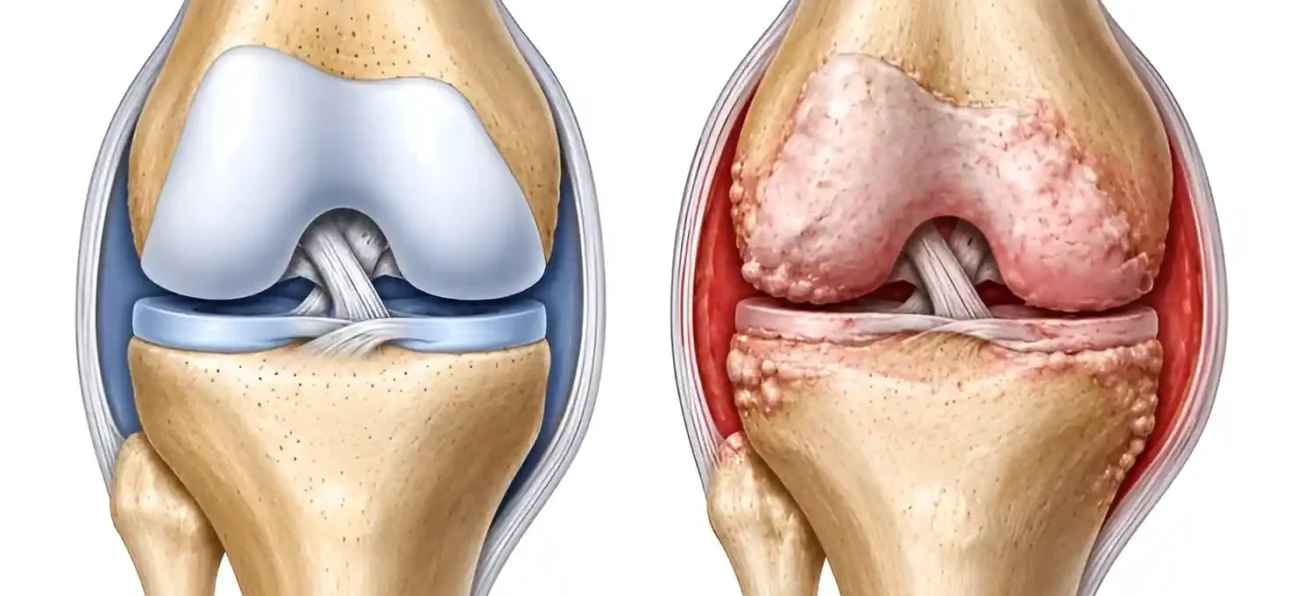
Osteoarthritis is a long-term condition involving changes in the entire joint, including cartilage, underlying bone, joint lining and surrounding tissues.
Cartilage is the smooth tissue that covers the ends of bones where they meet. It helps joints move comfortably by reducing friction. In osteoarthritis, cartilage can gradually deteriorate, while changes may also occur in the bone and other joint structures.
These changes can contribute to pain, stiffness, swelling and reduced movement. However, the relationship between joint changes and symptoms is not always straightforward. Some people have visible changes on an X-ray but relatively few symptoms, while others experience significant discomfort.
Osteoarthritis is different from rheumatoid arthritis, which is an autoimmune disease that causes inflammatory joint damage. The two conditions can sometimes produce overlapping symptoms, so professional assessment is important.
Common Symptoms of Osteoarthritis
Osteoarthritis symptoms often develop slowly and may fluctuate over time. They can become more noticeable during activities that place pressure on the affected joint.
1. Joint Pain During Movement
Pain is one of the most common symptoms. It may initially occur during activities such as walking, climbing stairs, kneeling or using the hands.
As the condition progresses, some people may also experience pain at rest or during the night. Persistent or worsening pain deserves medical evaluation rather than being automatically attributed to ageing.
2. Stiffness After Rest
People with osteoarthritis may notice stiffness after waking up in the morning or sitting for an extended period.
This stiffness often improves after gentle movement. Morning stiffness associated with osteoarthritis is commonly shorter than the prolonged stiffness that can occur with some inflammatory arthritis conditions, although symptoms vary.
3. Swelling Around the Joint
A joint affected by osteoarthritis may occasionally look swollen or feel tender. Swelling can result from inflammation or changes in the joint tissues.
Sudden, marked swelling, especially when accompanied by warmth, redness or fever, is not something to assume is ordinary osteoarthritis. These symptoms require prompt medical assessment to rule out infection or another acute condition.
4. Reduced Flexibility
The affected joint may not bend, straighten or rotate as easily as before. For example, knee osteoarthritis can make it difficult to squat or climb stairs, while hand osteoarthritis may affect gripping and fine movements.
Appropriate exercise and physiotherapy can help maintain function, depending on the individual’s condition.
5. Grinding or Clicking Sensations
Some people notice grinding, crackling or clicking during joint movement. These sensations are sometimes called crepitus.
Joint sounds alone do not necessarily indicate osteoarthritis. They should be considered alongside pain, swelling, stiffness and changes in function.
6. Changes in Joint Shape
In some cases, long-standing osteoarthritis can lead to changes in the shape or alignment of a joint. Bony enlargements may develop around the fingers, and advanced knee disease may affect leg alignment.
New deformity, substantial loss of function or rapidly changing symptoms should be assessed by a healthcare professional.
What Causes Osteoarthritis?
There is no single cause of osteoarthritis. It develops through a combination of biological, mechanical and individual risk factors.
Age-Related Changes
The likelihood of osteoarthritis increases with age as tissues within the joints undergo changes over time. However, age alone does not determine whether a person will develop the condition or how severe the symptoms will become.
Previous Joint Injuries
A fracture, ligament injury or other damage to a joint can increase the risk of developing osteoarthritis later. This is one reason appropriate rehabilitation after a significant injury is important.
Excess Body Weight
Additional body weight can increase mechanical stress on weight-bearing joints, particularly the knees and hips. Body fat may also influence inflammatory processes.
For people with excess weight and knee osteoarthritis, gradual, sustainable weight loss may help reduce pain and improve physical function.
Genetics and Family History
Inherited factors can influence the structure and resilience of joints. Osteoarthritis in close family members may increase a person’s risk, particularly for certain patterns of hand or hip involvement.
Repetitive Joint Stress
Some occupations, sports or repeated physical activities place substantial stress on particular joints. The effect depends on the type, intensity and duration of the activity, as well as previous injuries and individual factors.
Other Health and Structural Factors
Joint alignment, muscle strength, certain developmental conditions and other medical factors may contribute to osteoarthritis risk.
Understanding the risk factors can guide prevention and management, but it cannot guarantee that the condition will be avoided.
Which Joints Are Commonly Affected?
Osteoarthritis can affect several joints, although the symptoms and challenges differ depending on the location.
Knee osteoarthritis: Pain may occur during walking, standing, squatting or climbing stairs. Some people experience stiffness after sitting for a long time.
Hip osteoarthritis: Discomfort may be felt in the groin, thigh or buttock. Walking, putting on footwear or getting into a car may become difficult.
Hand osteoarthritis: The fingers and base of the thumb may become painful or stiff, affecting gripping, writing and opening jars.
Spinal osteoarthritis: Changes in the joints of the spine may cause neck or back discomfort. Nerve involvement can produce additional symptoms that require specific evaluation.
Pain in these areas does not automatically mean osteoarthritis. Other conditions can produce similar symptoms and may require different treatment.
How Is Osteoarthritis Diagnosed?
Diagnosis usually begins with a medical history and physical examination. A healthcare professional may ask about the location of pain, how long symptoms have lasted, which activities aggravate them and whether there has been a previous injury.
The examination may assess movement, tenderness, swelling, stability and joint function.
Imaging is not always necessary when the clinical picture is typical. X-rays may be recommended when the diagnosis is uncertain, symptoms are unusual or another condition needs to be considered.
Blood tests do not diagnose osteoarthritis directly, but they may help investigate other possible causes of joint pain, such as inflammatory arthritis or infection.
An accurate diagnosis matters because the treatment for osteoarthritis differs from the treatment for some other joint disorders.
Osteoarthritis Treatment Options
There is no single treatment that works for everyone. Management generally aims to reduce pain, improve movement, maintain independence and support quality of life.
1. Therapeutic Exercise
Exercise is an important part of osteoarthritis management. Appropriate movement can strengthen muscles around the joint, improve physical function and help maintain mobility.
Depending on the person’s abilities, options may include:
- Walking at a comfortable pace.
- Water-based exercise.
- Stationary cycling.
- Strengthening exercises.
- Gentle range-of-motion activities.
A physiotherapist can help select exercises and adjust them to the affected joint and symptom severity. Mild, temporary discomfort may occur when beginning an exercise programme, but sharp pain or a significant worsening of symptoms should prompt reassessment.
Avoid remaining completely inactive for long periods unless a healthcare professional has advised temporary rest for a specific reason.
2. Weight Management
For people with excess body weight, gradual weight reduction may help improve symptoms, especially in knee osteoarthritis.
A sustainable approach may include balanced meals, suitable physical activity and support from a healthcare professional when needed.
Weight management should not involve extreme dieting. Adequate nutrition is important for muscle strength, energy and general health.
3. Physiotherapy and Assistive Devices
Physiotherapy may help improve strength, balance, flexibility and movement patterns. A clinician may also recommend a walking aid, suitable footwear or a brace in selected circumstances.
Assistive devices can reduce stress on certain joints and make daily activities easier. Their usefulness depends on the affected joint and the individual’s needs.
4. Medicines for Pain Relief
A healthcare professional may recommend topical or oral medicines depending on the joint involved, pain severity and medical history.
Topical anti-inflammatory medicines may be appropriate for some people with knee or hand osteoarthritis. Oral anti-inflammatory medicines can have risks, including stomach bleeding, kidney problems and cardiovascular effects.
People with kidney disease, liver disease, stomach ulcers, heart conditions or other medication-related risks should discuss suitable options with their clinician or pharmacist.
Do not start long-term pain medicines or combine multiple products without checking their safety.
5. Injections and Other Procedures
In selected cases, clinicians may consider injections or other interventions when symptoms remain troublesome. Benefits and risks vary by treatment and individual circumstances.
Injections are not suitable for everyone, and they do not permanently reverse the underlying joint changes.
6. Joint Replacement Surgery
For some people with severe osteoarthritis, pain and reduced function may continue despite appropriate non-surgical management. Joint replacement surgery may then be considered.
The decision depends on symptom severity, the impact on daily life, imaging findings, overall health and the person’s preferences. A specialist can explain potential benefits, risks, recovery expectations and alternatives.
Surgery is not required for everyone with osteoarthritis, and an X-ray finding alone does not determine whether an operation is necessary.
Can Daily Habits Help Manage Osteoarthritis?
Several practical habits can support joint function and general wellbeing.
- Stay active: Choose suitable activities and increase exercise gradually.
- Take movement breaks: Avoid remaining in one position for too long when possible.
- Build muscle strength: Follow an appropriate strengthening programme.
- Prioritise sleep: Address persistent pain that disrupts sleep with professional guidance.
- Use comfortable footwear: Select footwear appropriate for your activities and any specific joint problems.
- Balance activity and recovery: Modify tasks that repeatedly aggravate symptoms without avoiding all movement.
These measures may support symptom management, but they cannot guarantee that osteoarthritis will be prevented or reversed.
What About Ayurveda for Osteoarthritis?
Some people explore Ayurveda, traditional massage practices, oils or herbal preparations for joint discomfort. However, evidence varies among individual interventions, and traditional use does not establish that a remedy can reverse cartilage damage or cure osteoarthritis.
Herbal products may cause side effects, interact with prescribed medicines or contain contaminants. This is particularly important for people with kidney or liver conditions and those taking multiple medicines.
Discuss any Ayurvedic product or complementary therapy with a qualified healthcare professional before starting it. Do not discontinue prescribed arthritis medicines or delay an appropriate assessment in favour of an unproven remedy.
A personalised approach should consider the person’s diagnosis, symptoms, medical history and current treatment.
When Should You Seek Medical Advice?
Arrange a medical appointment if joint pain persists, repeatedly returns or interferes with everyday activities. Professional evaluation is also important when stiffness, swelling or loss of movement continues to worsen.
Seek urgent medical attention for sudden severe joint pain, a hot or red swollen joint, fever with joint symptoms or serious pain following an injury.
These symptoms may indicate a condition other than routine osteoarthritis and should not be managed solely with home remedies.
Conclusion
Osteoarthritis is a common joint condition that can affect mobility and quality of life. Symptoms may include pain during movement, stiffness after rest, swelling and reduced flexibility. Age, previous injuries, genetics and excess body weight can all influence risk.
Although osteoarthritis cannot currently be reversed by a guaranteed remedy, many people can manage symptoms through appropriate exercise, physiotherapy, weight management when needed, medicines and other individualised treatments.
At Pure Forest Ayurveda, our educational approach should encourage people to understand their symptoms, seek accurate diagnosis and make informed decisions about complementary care. Early assessment and a practical, personalised management plan can help people maintain mobility and continue their everyday activities.
Medical disclaimer: This article is intended for general educational purposes only and is not a substitute for professional medical advice, diagnosis or treatment. Consult a qualified healthcare professional to determine the cause of joint pain and the most appropriate treatment plan.