
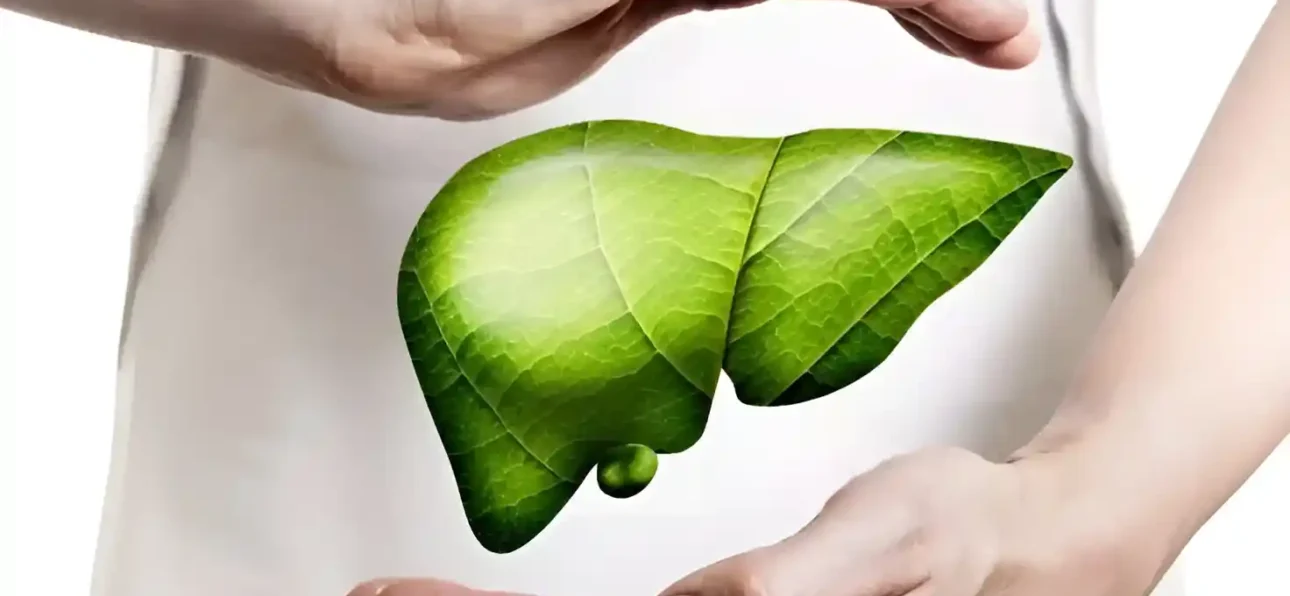
Ayurveda and Liver Health: What Patients Should Know Before Using Herbs
Introduction
The liver plays a central role in maintaining overall health. It processes nutrients, produces bile for digestion, stores certain vitamins and minerals, and helps the body metabolise medicines and other substances. When the liver is affected by a disease, its ability to perform these functions may be compromised.
Many people explore traditional systems of healthcare, including Ayurveda, when looking for ways to support their wellbeing. Ayurveda has a long history of using dietary practices, lifestyle routines and herbal preparations. However, when considering Ayurveda for liver health, it is important to distinguish traditional use from treatments that have been demonstrated to be safe and effective in clinical studies.
Some people assume that a herbal product must be harmless because it is natural. This is not necessarily true. Certain herbal ingredients and poorly regulated supplements have been associated with liver injury, contamination and interactions with prescribed medicines.
This article explains what patients should know before using Ayurvedic herbs, how to approach liver health responsibly, and why professional medical guidance remains essential.
1. Understanding the Role of Ayurveda in Liver Health
Ayurveda is a traditional system of medicine that considers diet, daily routines, individual constitution and herbal preparations as part of its approach to wellbeing.
In traditional Ayurvedic practice, liver-related concerns may be discussed using concepts associated with digestion, metabolism and the balance of bodily functions. These concepts belong to the traditional framework of Ayurveda and should not automatically be equated with modern medical diagnoses.
Modern medicine identifies liver conditions such as:
- Metabolic dysfunction-associated steatotic liver disease (MASLD), formerly commonly known as non-alcoholic fatty liver disease.
- Alcohol-related liver disease.
- Viral hepatitis, including hepatitis B and C.
- Drug-induced liver injury.
- Autoimmune liver diseases.
- Cirrhosis and other forms of advanced liver damage.
Each condition has different causes, risks and treatment requirements. An approach that may be appropriate for general wellbeing cannot be assumed to treat every liver condition.
If you are considering Ayurveda for liver health, begin by understanding your diagnosis and discussing your treatment options with qualified healthcare professionals.
2. Can Ayurvedic Herbs Improve Liver Health?
Various herbs are traditionally used in Ayurvedic preparations intended to support digestion, metabolism or general wellbeing. Some have also been investigated in scientific research for possible effects on liver-related markers.
However, traditional use and preliminary research do not establish that a herb can prevent, reverse or cure liver disease.
Research findings may be limited by small study sizes, differences in product composition, short follow-up periods and inconsistent study methods. Evidence for one specific extract cannot necessarily be applied to every product containing the same plant.
Patients should therefore be cautious about claims that an herbal preparation can:
- Reverse fatty liver within a few weeks.
- Regenerate a damaged liver completely.
- Cure hepatitis or cirrhosis.
- Remove all toxins from the liver.
- Replace prescribed medicines or specialist treatment.
Reliable treatment decisions should be based on the specific diagnosis, the quality of available evidence and the potential risks for the individual patient.
3. Common Ayurvedic Herbs and Why Caution Matters
Several plants appear in traditional formulations promoted for digestive or liver-related concerns. Their safety depends on factors such as the species used, the plant part, extraction method, dosage, manufacturing quality and the patient’s medical history.
Bhumyamalaki
Bhumyamalaki is a name used for plants in the Phyllanthus group, which have a history of traditional medicinal use. Certain species have been studied for possible effects on liver-related conditions.
However, the name may refer to different species, and research findings cannot automatically be applied to every preparation sold under this name. Strong evidence of a reliable clinical benefit for specific liver diseases remains insufficient.
Patients should not use it as a substitute for hepatitis testing, prescribed treatment or follow-up investigations.
Kutki
Kutki, commonly associated with Picrorhiza kurroa, is used in traditional medicinal systems for various digestive and liver-related purposes.
Despite its traditional use, robust clinical evidence establishing its effectiveness and safety for treating liver disease is limited. Product quality, correct identification, dosage and possible interactions also require consideration.
People with an existing liver condition should consult an appropriately qualified healthcare professional before using preparations containing kutki.
Kalmegh
Kalmegh, or Andrographis paniculata, is another plant used in traditional medicine. Research has investigated various biological effects of this plant, but evidence from laboratory studies or research involving other health conditions does not establish that it treats liver disease.
It may also cause adverse effects or interact with medicines in some individuals. Anyone considering a kalmegh-containing product should discuss its use with a healthcare professional, especially if they take prescription medicines or have a chronic illness.
Multi-herb formulations
Some Ayurvedic products combine multiple herbs and other ingredients. These combinations may make it difficult to identify which ingredient is responsible for a benefit or an adverse reaction.
The safety of an individual ingredient also does not guarantee the safety of a multi-ingredient formulation.
Before using such products, check the complete ingredient list, manufacturer information, intended use and relevant quality documentation.
Important: These examples are included to explain safety considerations, not to recommend specific herbs or formulations for liver disease.
4. How Herbal Products Can Affect the Liver
The liver processes many substances that enter the body, including certain herbal compounds. In some circumstances, a substance or its breakdown products can injure liver cells.
Herbal and dietary supplement-related liver injury can occur for several reasons:
Direct toxicity: Certain ingredients may be harmful to the liver, particularly at inappropriate doses or in susceptible individuals.
Contamination: Products may contain unwanted substances, including heavy metals, pesticides or microbial contaminants.
Undeclared ingredients: Some products may contain ingredients that are not accurately listed on the label.
Interactions with medicines: Herbal products can change how certain medicines work, potentially increasing side effects or reducing treatment effectiveness.
Individual susceptibility: A reaction can sometimes occur even when a product is taken as directed.
Symptoms of possible liver injury include nausea, unusual fatigue, abdominal discomfort, dark urine, pale stools, itching and yellowing of the skin or eyes. These symptoms can have other causes as well, so they require appropriate medical assessment.
If you develop concerning symptoms after starting an herbal product, seek medical advice promptly and provide the clinician with the product packaging or ingredient list.
5. Ayurvedic Products and Conventional Medicines
One of the most important precautions is to avoid replacing prescribed treatment with an unproven herbal remedy.
For example, a person with hepatitis may require specific antiviral treatment, while someone with metabolic fatty liver disease may benefit from managing diabetes, cholesterol, body weight and other metabolic risk factors.
Cirrhosis may require specialist monitoring and treatment of complications. No herbal product should be assumed to provide equivalent care.
Before starting an Ayurvedic preparation:
- Tell your doctor about the product you are considering.
- Share its full ingredient list and recommended dosage.
- Explain which prescription medicines and over-the-counter products you already use.
- Ask about potential interactions and whether liver monitoring is appropriate.
- Discuss what evidence supports the proposed use.
Do not stop or alter prescribed medicines without consulting the clinician responsible for your treatment.
Patients with cirrhosis, previous herbal-related liver injury, significant kidney disease, pregnancy or multiple ongoing medications may need additional precautions.
6. Lifestyle Practices That Can Support Liver Health
Although no particular diet can guarantee protection against liver disease, healthy daily habits can help reduce several important risk factors.
Eat a balanced diet
Include vegetables, whole fruits, whole grains, pulses and suitable sources of protein. Limit frequent consumption of sugary beverages, excessive added sugar and highly processed foods.
Choose portions that suit your energy needs and any medical or nutritional advice you have received.
Maintain a suitable weight
For people with excess body weight and metabolic fatty liver disease, gradual, sustainable weight loss may improve liver fat and metabolic health.
Avoid crash diets and extreme weight-loss programmes. Seek individualised guidance if you already have diagnosed liver disease.
Stay physically active
Regular activity supports cardiovascular health, insulin sensitivity and weight management. Walking, cycling and other activities suited to your abilities can be useful starting points.
Increase activity gradually if you have been inactive, and consult your healthcare professional if you have limitations related to your medical condition.
Be cautious with alcohol
Alcohol can contribute to liver damage. People with liver disease should ask their clinician about alcohol avoidance; abstinence is often strongly recommended.
Anyone who may be physically dependent on alcohol should seek medical support before abruptly stopping, because withdrawal can be dangerous.
Manage existing health conditions
Diabetes, high cholesterol, high blood pressure and obesity can contribute to liver disease risk. Follow appropriate treatment plans and attend recommended medical appointments.
These measures support overall health but do not replace treatment for an established liver condition.
7. What About Liver Detox and Cleansing Products?
Products advertised as liver detoxes, cleanses or liver flushes often promise rapid removal of toxins or complete restoration of liver function.
There is no good evidence that routine detox programmes are necessary to cleanse a healthy liver or that they reliably reverse established liver disease.
Some products may cause dehydration, nutritional problems, interactions or liver injury. Unnecessary cleanses can also delay the diagnosis of a condition that requires medical treatment.
A more responsible approach is to identify and address actual risk factors, such as alcohol use, viral hepatitis, metabolic disease or medication-related injury.
If you are concerned about liver function, ask a healthcare professional whether liver blood tests, imaging or other investigations are appropriate.
8. When Should You Consult a Doctor?
Liver disease may develop without obvious symptoms, so people with relevant risk factors may need testing even when they feel well.
Arrange a medical assessment if you have persistent unexplained fatigue, ongoing discomfort in the upper-right abdomen, itching, dark urine, pale stools or unexplained swelling.
Yellowing of the skin or eyes warrants urgent medical assessment. Seek emergency care for severe confusion, vomiting blood, black tarry stools or significant bleeding.
A clinician may recommend liver blood tests, imaging, viral hepatitis testing or other investigations based on your symptoms and medical history.
Remember that liver function tests alone do not identify every liver condition, and results must be interpreted in context.
9. How to Choose an Ayurvedic Practitioner Responsibly
If you wish to explore Ayurveda alongside conventional medical care, consider these practical precautions:
- Verify the practitioner’s qualifications and relevant registration.
- Share your existing diagnosis, test results and complete medication list.
- Ask for a clear explanation of the proposed treatment and its intended purpose.
- Request information about ingredients, dosage, duration and possible side effects.
- Ask what evidence supports the recommendation and how potential harm will be monitored.
- Be cautious of guarantees, pressure to purchase expensive packages or advice to abandon conventional treatment.
A responsible practitioner should recognise the limits of available evidence and refer patients for medical assessment when necessary.
Patients should also remember that the term natural does not establish that a product is safe, effective or appropriate for their condition.
Conclusion
Ayurveda for liver health is a topic that deserves a balanced and safety-focused approach. Traditional dietary and lifestyle practices may offer useful ways to think about daily wellbeing, but claims about specific herbs treating liver disease must be evaluated using reliable scientific evidence.
Herbal products can cause side effects, interact with medicines or contribute to liver injury. Their safety cannot be assumed from their traditional use or natural origin.
If you have a liver condition, work with qualified healthcare professionals to establish the diagnosis, understand available treatments and assess any complementary products before using them.
A responsible approach combines evidence-based medical care, sustainable lifestyle habits, careful evaluation of supplements and timely attention to symptoms.
Medical disclaimer: This article is for general educational purposes only and is not a substitute for professional diagnosis, medical advice or treatment. Do not stop prescribed medicines or delay medical care to try an Ayurvedic or herbal remedy.