
Early Signs of Kidney Disease and Important Risk Factors
Introduction
The kidneys are two bean-shaped organs that perform several essential functions in the body. They filter waste and excess fluid from the blood, maintain the balance of electrolytes, help regulate blood pressure and support red blood cell production. They also contribute to maintaining healthy bones by helping regulate vitamin D and mineral balance.
When the kidneys become damaged, they may gradually lose their ability to perform these functions effectively. This condition is known as kidney disease. It can develop over months or years, and in its early stages, it may not cause noticeable symptoms.
Recognising the early signs of kidney disease is important because timely diagnosis and appropriate treatment may help slow its progression and reduce complications.
Diabetes and high blood pressure are among the leading causes of chronic kidney disease. However, kidney problems can also develop due to inherited conditions, inflammation, infections, certain medicines and other medical conditions.
This article explains common kidney disease symptoms, important risk factors, recommended tests and practical steps to support kidney health.
1. What Is Kidney Disease?
Kidney disease occurs when the kidneys are damaged or their function is impaired. One common form is chronic kidney disease (CKD), in which kidney abnormalities persist for at least three months and have implications for health.
The kidneys contain millions of tiny filtering structures called nephrons. These structures remove waste products and excess substances from the blood while helping retain the components the body needs.
When kidney function declines, waste and fluid may accumulate. The balance of minerals such as potassium and phosphorus can also become disturbed, depending on the severity of the disease.
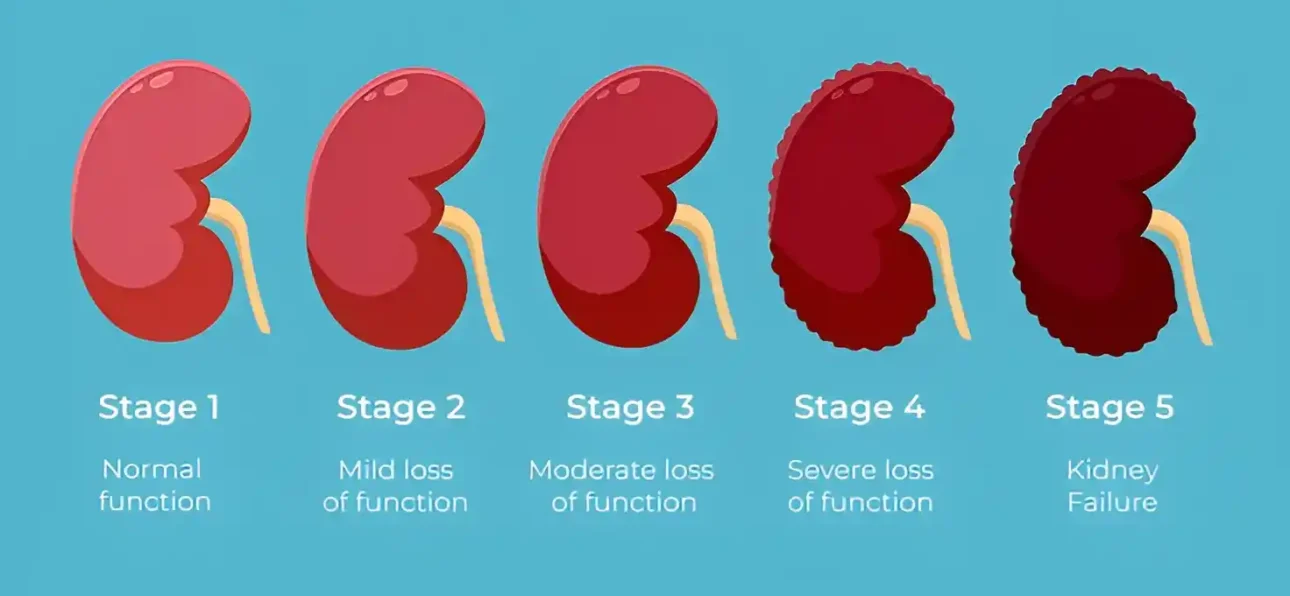
Chronic kidney disease can range from mild impairment to advanced disease. Not everyone with CKD progresses to kidney failure, and the rate of progression varies from person to person.
Acute kidney injury is different: it involves a sudden decline in kidney function, sometimes developing over hours or days. It can occur because of severe dehydration, serious illness, certain medicines or other causes and requires prompt medical evaluation.
Understanding the difference helps explain why persistent changes and sudden symptoms should both be taken seriously.
2. Early Signs of Kidney Disease You Should Know
One of the challenges of kidney disease is that early stages often produce no obvious symptoms. Many people discover a problem through routine blood or urine tests.
When symptoms do appear, they may be subtle or resemble those of other conditions.
Changes in urination
Changes in urination can sometimes indicate a kidney or urinary tract problem. These may include:
- Urinating more frequently, particularly at night.
- Producing less urine than usual.
- Persistently foamy urine, which may indicate protein in the urine.
- Blood in the urine, which can make it appear pink, red or brown.
- Difficulty urinating or other persistent urinary changes.
These symptoms do not automatically mean you have kidney disease. For example, foamy urine can occur for reasons unrelated to kidney damage, and blood in urine can have several causes.
However, persistent changes or visible blood should be assessed by a healthcare professional rather than ignored.
Swelling in the feet, ankles or face
Healthy kidneys help maintain the body’s fluid balance. When kidney function is impaired, the body may retain excess salt and water.
This can contribute to swelling, particularly around the feet, ankles, legs or eyelids.
Swelling can also result from heart disease, liver disease, venous problems and other conditions. New or persistent swelling deserves medical evaluation to identify the cause.
Persistent fatigue and weakness
Kidney disease may contribute to tiredness and weakness for several reasons. As kidney function declines, anaemia can develop because the kidneys produce less erythropoietin, a hormone that helps stimulate red blood cell production.
Other contributors may include poor sleep, nutritional problems and the accumulation of waste products in advanced disease.
Fatigue is a common symptom with many possible causes. If it persists without an obvious explanation, discuss it with your healthcare professional.
Reduced appetite, nausea or vomiting
As kidney disease advances, waste products can accumulate in the blood and contribute to nausea, vomiting, reduced appetite or an unpleasant taste in the mouth.
These symptoms are not specific to kidney disease and may occur with digestive problems, infections or medication side effects.
Persistent vomiting or difficulty keeping fluids down needs medical assessment, particularly because dehydration can also affect kidney function.
Muscle cramps and itching
Some people with more advanced kidney disease experience muscle cramps, persistent itching or discomfort associated with disturbances in mineral balance and other metabolic changes.
These symptoms can have many causes, so they should not be used alone to determine whether kidney function is impaired.
Difficulty concentrating or disturbed sleep
Advanced kidney disease may be associated with sleep difficulties, reduced concentration and changes in general wellbeing. However, these problems are not reliable early indicators on their own.
The absence of symptoms does not rule out kidney disease. Testing is especially important for people who have recognised risk factors.
3. Major Risk Factors for Kidney Disease
Knowing your risk factors can help you and your healthcare professional decide whether kidney screening is appropriate.
Diabetes
Diabetes is a major risk factor for chronic kidney disease. Persistently elevated blood glucose can damage the small blood vessels and filtering structures within the kidneys.
Kidney damage may develop gradually, even when a person feels well. People with type 1 or type 2 diabetes should follow the recommended schedule for kidney monitoring.
This commonly includes a urine albumin-to-creatinine ratio (UACR) and an estimated glomerular filtration rate (eGFR) calculated from a blood test.
High blood pressure
High blood pressure can damage kidney blood vessels over time. In turn, kidney disease can make blood pressure more difficult to control.
This relationship can create a cycle in which each condition worsens the other.
Regular blood pressure checks, appropriate medication and lifestyle changes recommended by a clinician can help reduce risk.
Family history and inherited conditions
A family history of kidney disease may increase your risk, particularly when a relative has an inherited condition such as polycystic kidney disease.
Inform your healthcare professional if close family members have experienced kidney failure, inherited kidney disorders or kidney disease at a young age.
Heart and blood vessel disease
Conditions affecting the heart and blood vessels can also increase the risk of kidney problems. The kidneys depend on an adequate blood supply to function properly, and cardiovascular disease often occurs alongside diabetes, high blood pressure and other CKD risk factors.
Managing cardiovascular risk is therefore an important part of protecting kidney health.
Recurrent kidney stones or urinary obstruction
Kidney stones do not always cause lasting kidney damage, but recurrent stones, certain complications and prolonged urinary obstruction can impair kidney function.
Seek medical advice if you experience severe pain in the side or back, blood in the urine, recurrent stones or difficulty passing urine.
Long-term use of certain medicines
Some medicines can affect the kidneys, particularly when taken in excessive doses, during dehydration or in people with existing kidney disease.
Non-steroidal anti-inflammatory drugs (NSAIDs), such as ibuprofen and naproxen, can cause kidney problems in susceptible individuals.
Do not stop prescribed medication on your own. Ask your clinician or pharmacist whether your medicines are appropriate for your kidney function and whether any monitoring is needed.
4. How Is Kidney Disease Diagnosed?
Symptoms alone cannot reliably establish whether the kidneys are functioning normally. Doctors use medical history, examination, blood tests, urine tests and sometimes imaging to investigate suspected kidney disease.
Blood test: Estimated glomerular filtration rate
The eGFR estimates how effectively the kidneys filter blood, using the blood creatinine level and other relevant information.
A lower eGFR may indicate reduced kidney function. However, one abnormal result does not always establish chronic kidney disease. The result must be interpreted alongside previous measurements, the clinical situation and other findings.
Persistent abnormalities over at least three months may support a diagnosis of CKD.
Urine albumin test
Albumin is a protein normally retained in the bloodstream. When the kidney’s filtering barrier is damaged, albumin may leak into the urine.
A urine albumin-to-creatinine ratio can detect this leakage. It may identify kidney damage even when eGFR is still within its expected range.
An abnormal result may need to be repeated because exercise, fever, urinary infections and other temporary factors can affect urine albumin levels.
Blood pressure measurement
Checking blood pressure is important because hypertension is both a risk factor for and a possible consequence of kidney disease.
Your clinician may recommend home monitoring or additional measurements if your readings are elevated or variable.
Additional tests
Depending on the suspected cause, a clinician may recommend kidney ultrasound, additional blood or urine tests, or occasionally a kidney biopsy.
Not every patient needs every test. The appropriate evaluation depends on symptoms, medical history and initial findings.
5. Practical Ways to Support Kidney Health
Although not every case of kidney disease can be prevented, several habits can help reduce important risk factors.
Manage blood sugar. If you have diabetes, follow your individual treatment plan and attend recommended kidney screening appointments.
Control blood pressure. Take prescribed medicines as directed and discuss your blood pressure targets with your clinician.
Eat a balanced diet. Include vegetables, fruits, whole grains and appropriate sources of protein. Limit excessive salt and frequent consumption of highly processed foods.
Stay physically active. Regular activity supports cardiovascular health, blood pressure management and metabolic health.
Avoid smoking. Smoking can damage blood vessels and increase cardiovascular risk, which is relevant to kidney health.
Use medicines responsibly. Avoid unnecessary or excessive use of painkillers and discuss herbal products or supplements with your healthcare professional.
Stay appropriately hydrated. Drink fluids regularly according to your needs and medical advice. People with advanced kidney disease or certain heart conditions may need specific fluid limits, so drinking excessive amounts is not recommended for everyone.
Attend regular check-ups. People with diabetes, hypertension, cardiovascular disease or a family history of kidney disease may need periodic kidney function testing even when they feel healthy.
6. When Should You Seek Medical Attention?
Arrange a medical appointment if you notice persistent changes in urination, unexplained swelling, recurring blood in the urine or ongoing fatigue without an obvious cause.
Seek urgent medical care if you experience a sudden and substantial reduction in urine output, especially alongside illness, dehydration or swelling.
Emergency assessment is important for severe breathlessness, chest pain, confusion, fainting or other signs of serious illness.
Do not wait for symptoms to become severe if you have diabetes, high blood pressure or another condition that places you at increased risk. Routine testing can identify kidney abnormalities before noticeable symptoms develop.
7. Can Ayurveda Prevent or Treat Kidney Disease?
Ayurveda is a traditional system of medicine that includes dietary approaches, lifestyle practices and herbal preparations. Some general lifestyle principles, such as maintaining regular activity and eating balanced meals, can complement an overall health plan.
However, claims that a particular Ayurvedic formulation can cure kidney disease, reverse established kidney damage or eliminate the need for dialysis require strong scientific evidence and should not be accepted without reliable support.
Some herbal preparations may contain contaminants or ingredients that can harm the kidneys. Products containing certain metals or undeclared substances can be particularly concerning, and herbal ingredients may interact with prescribed medicines.
People with kidney disease need extra caution because impaired kidney function can change how medicines and other substances are processed or eliminated.
Before using an Ayurvedic medicine or supplement, disclose the full ingredient list to your doctor and discuss potential risks. Do not delay kidney testing or stop prescribed treatment in favour of an unproven remedy.
Conclusion
The early signs of kidney disease can be difficult to recognise because the condition may progress silently. Persistent urinary changes, swelling, fatigue and other symptoms deserve attention, but none can confirm a diagnosis without appropriate evaluation.
Diabetes, high blood pressure, family history, cardiovascular disease and certain medicines are important risk factors. Blood tests such as eGFR and urine tests such as UACR can help detect kidney problems before severe symptoms appear.
Healthy daily habits and regular medical monitoring can make a meaningful difference, particularly for people at increased risk. If you are concerned about your kidney health, seek professional advice rather than relying on symptoms or unverified remedies.
Medical disclaimer: This article is for general educational purposes and is not a substitute for professional diagnosis, medical advice or treatment. Kidney disease requires individualised assessment, and any dietary changes, medicines or supplements should be discussed with a qualified healthcare professional when appropriate.